Local Angles • 8 min read
PRC 4291 & Zone 0: the 100-ft Defensible Space Rules SLO County Homeowners Must Know
PRC 4291 requires 100 feet of defensible space, and the new Zone 0 rule targets the first 5 feet. Here is what each zone actually asks of you.
By Kestrel Landscapes · Published March 31, 2026
If your home is in or near wildland in San Luis Obispo County, defensible space is not a suggestion — it is state law. California Public Resources Code section 4291 requires 100 feet of defensible space around structures in these areas, and CAL FIRE and local agencies inspect for it. On top of that, a newer requirement known as Zone 0 focuses on the first five feet around the house, the zone that matters most when embers are flying. Understanding what each zone asks of you is the difference between passing an inspection and scrambling before fire season.
We handle defensible space clearing across the rural stretches of the county, and the questions we get most are about what the zones actually require versus what people assume. This guide breaks it down. It applies broadly across San Luis Obispo County, though specific local ordinances can add requirements, so verify the current rules for your area.
The zones, from the house outward
Defensible space is organized in zones measured from the structure. The newest and strictest is closest in.
Zone 0: the first 5 feet (ember-resistant zone)
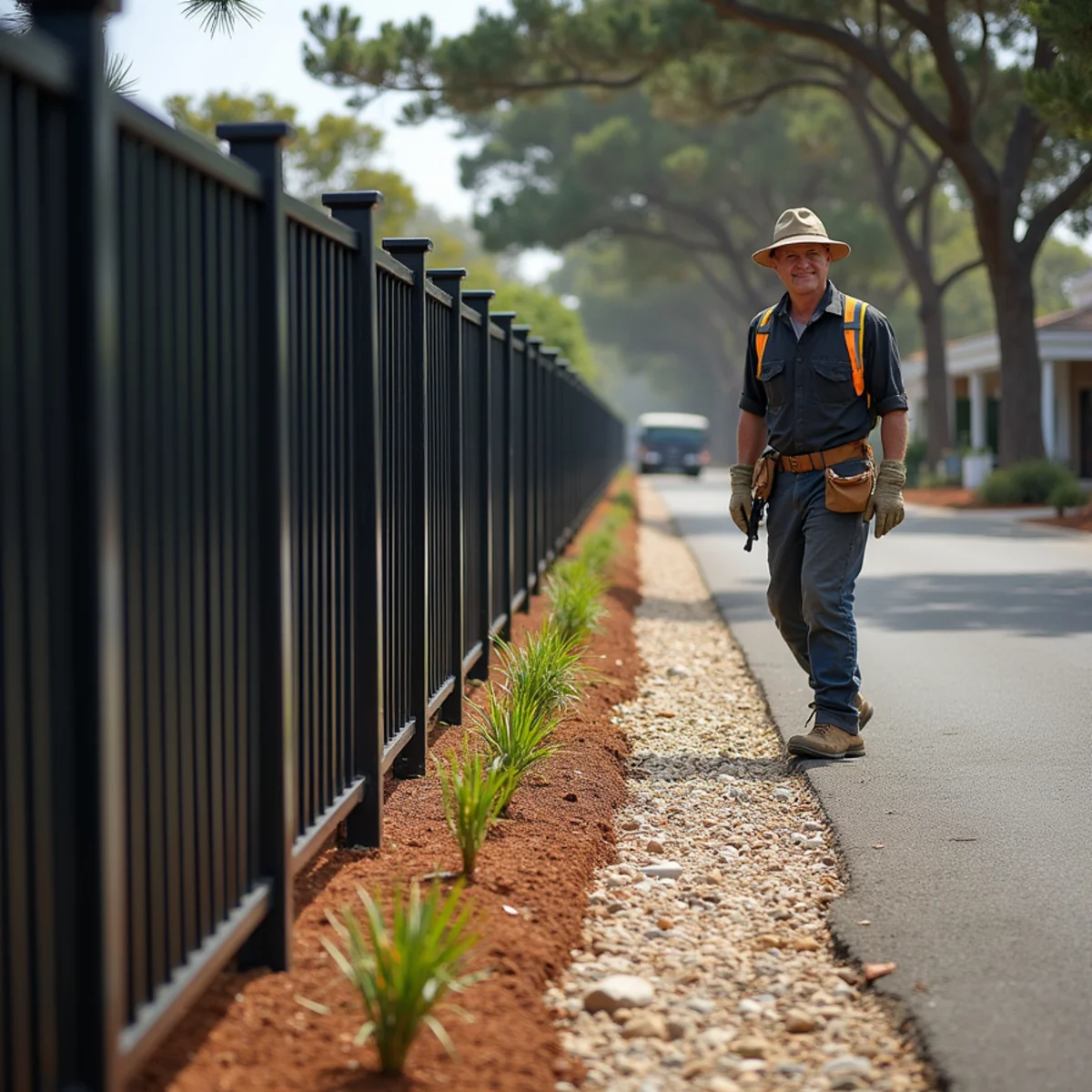
Zone 0 is the ember-resistant zone: the five feet immediately around the house, including under decks and attached structures. This is where wind-blown embers collect, and it is the zone most tied to whether a home survives. The standard here is essentially nothing that burns. That means no bark mulch, no firewood stacks, no dead plants, and ideally no combustible plants at all against the walls. Gravel, hardscape, or well-watered, low-growing, high-moisture plants are the goal.
Zone 1: 5 to 30 feet (lean, clean, and green)
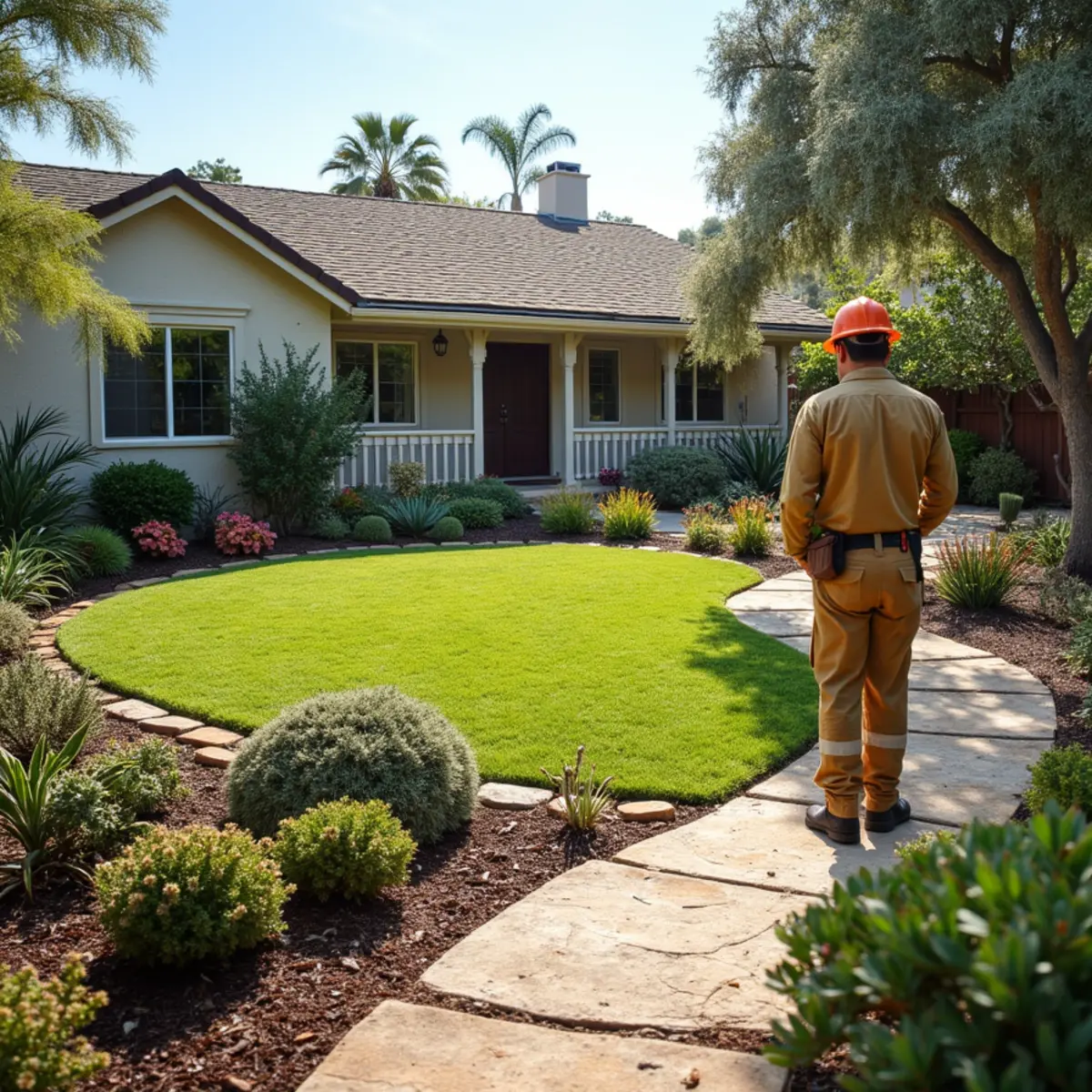
From five to thirty feet, the goal is a well-maintained, low-fuel landscape. Remove dead plants, grass, and weeds. Keep tree limbs at least ten feet from other trees and away from the roof and chimney. Break up continuous vegetation so fire cannot run in an unbroken line toward the house. This is the zone where thoughtful landscaping and fire safety fully overlap — spaced, hydrated plantings look good and slow fire at the same time.
Zone 2: 30 to 100 feet (reduce fuel)
The outer zone, out to 100 feet or the property line, is about reducing the amount of fuel rather than removing everything. Mow annual grasses down, create space between shrubs and trees, remove dead material, and limb up trees so ground fire cannot climb into the canopy. The idea is to lower the intensity of a fire before it reaches the closer zones. You do not have to clear this zone to bare ground, and on a rural parcel that would be neither practical nor good for the soil. What matters is that fire arriving here meets scattered, well-spaced fuel that burns low and slow instead of a continuous thicket that carries flame straight to the house at full intensity.
The concepts that make the zones work
Two ideas run through all the zones. Horizontal spacing means gaps between plants and plant groups so fire cannot spread continuously across the ground. Vertical spacing — breaking up the ladder from grass to shrub to tree branch — stops a small ground fire from climbing into the treetops, where it becomes far harder to stop. Most defensible space work is really about creating both kinds of spacing.
- Remove ladder fuels: keep low branches trimmed so fire cannot climb from the ground into the canopy.
- Space tree canopies so they do not form a continuous ceiling of fuel.
- Clear dead leaves and needles from the roof, gutters, and the base of the house.
- Move firewood piles and combustible stored items out of Zone 0 and Zone 1.
- Keep grasses mowed low through the dry season, not just once in spring.
Defensible space is not a one-time job
The most common mistake is treating clearing as a spring chore that is done once. Grasses regrow, plants drop litter, and trees keep pushing branches toward the roof. Defensible space is a season-long condition, not a single event. We often set clients up with an initial heavy clearing followed by lighter maintenance passes through the summer, so the property stays compliant and safe when fire danger peaks — not just when the inspector might visit. If you are working against the county's clearing deadline, our guide to the June 1 weed-abatement countdown lays out the timeline.
Doing this well also protects your insurance standing and your neighbors — defensible space works best when whole neighborhoods do it. If you want help getting your property to 100 feet of real defensible space, with Zone 0 handled correctly, call Kestrel Landscapes at (323) 606-0255 for a free assessment. We will walk the zones with you and build a clearing and planting plan that keeps you compliant and safer.
Frequently asked questions
It requires 100 feet of defensible space around structures in wildland areas, or to the property line if that is closer. The work is organized in zones, with the strictest standards nearest the house.
Zone 0 is the ember-resistant zone covering the first 5 feet around the home, where wind-blown embers collect. The goal is essentially nothing combustible there — no bark mulch, firewood, or flammable plants against the walls. Verify the current adopted rule.
No. Defensible space is about spacing and fuel reduction, not scorched earth. Well-spaced, hydrated, low-growing plants are encouraged, especially in the closer zones. It is continuous, dry fuel that has to go.
Want this handled for your property?
Get a free on-site assessment from a Los Osos design-build crew. Based in Los Osos — most SLO County assessments scheduled within 48 hours.