Emergency Guides • 7 min read
Got a Weed-Abatement Notice in SLO County? Here's Exactly What to Do
A weed-abatement notice is not a fine, it is a countdown. Here is what SLO County is asking for, when the deadline usually falls, and how to clear a property the right way.
By Kestrel Landscapes · Published April 14, 2026
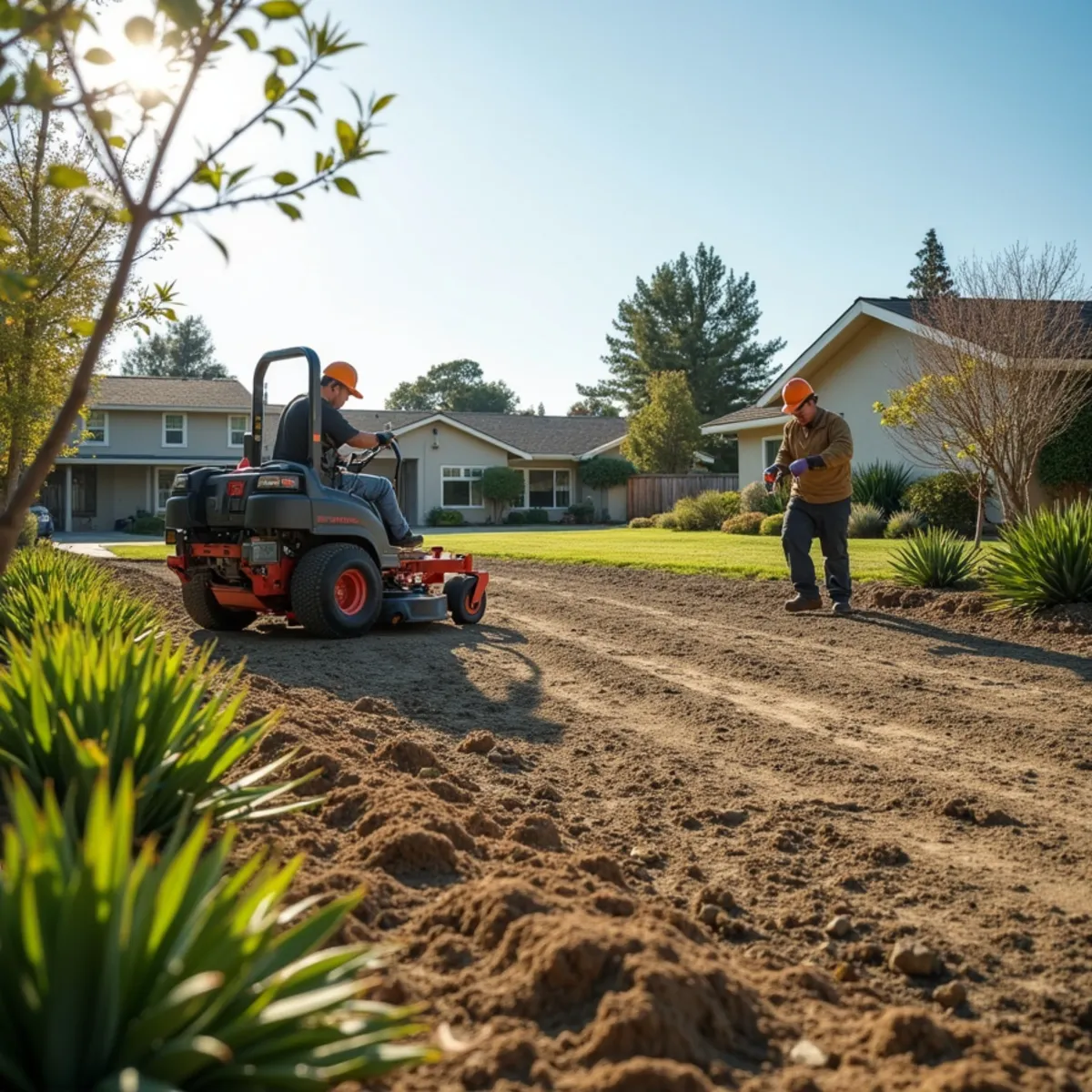
A weed-abatement notice in the mailbox tends to produce one of two reactions: panic that you are being fined, or a shrug that puts it in a drawer until it is too late. Neither is right. The notice is a legal requirement to clear hazardous vegetation by a deadline, and if you miss it, the county or fire district can hire a contractor to do the work and bill you, often at a rate well above what you would have paid to handle it yourself.
The good news is that complying is straightforward once you understand what the notice is actually asking for. This guide breaks down what the notice means, the deadline you are working against, and exactly how to bring a property into compliance in inland communities like Atascadero, Templeton, and Paso Robles where dry annual grasses turn to tinder every summer.
What the Notice Actually Requires
A weed-abatement notice is issued because a property has vegetation that could carry fire to structures. It is not personal, and it is not a citation. It is a standardized order that goes out to properties with overgrown grasses, brush, and dead material near the ground. The notice will state the standard you have to meet and the date by which you have to meet it. Read it carefully, because the specific requirements vary by jurisdiction and by whether you are inside a city, in the county, or in a fire district.
What Compliance Usually Looks Like
Most notices ask for a combination of the following. The exact numbers are on your notice, but the categories are consistent across the county.
- Mow or cut annual grasses and weeds to a low height, commonly three to four inches, across the property.
- Clear dead and dying vegetation, and remove the cut material rather than leaving it as a fuel bed.
- Create clearance around structures, driveways, and property lines.
- Remove combustible debris such as dead branches, leaf litter, and trash.
The most common mistake is mowing the grass and leaving it lying there. Cut grass left on the ground is still fuel, and inspectors will flag it. The material has to be cleared. This is the difference between a quick pass with a mower and a job done right, which is why our weed abatement and property cleanup service always includes hauling the cut material off the property, not just knocking it down.
How Weed Abatement Connects to Defensible Space
Weed abatement and defensible space overlap but are not identical. Abatement is about the whole parcel and reducing fire spread across the landscape. Defensible space, under California's PRC 4291, is specifically the 100 feet around a structure, organized into zones, including the ember-resistant five-foot Zone 0 right against the house. Clearing your weeds satisfies part of both, but if you are in a higher-risk area you should think about defensible space as the larger framework. Our deeper guide on PRC 4291 and Zone 0 defensible space walks through the zones in detail.
Timing It Right in the Inland Heat
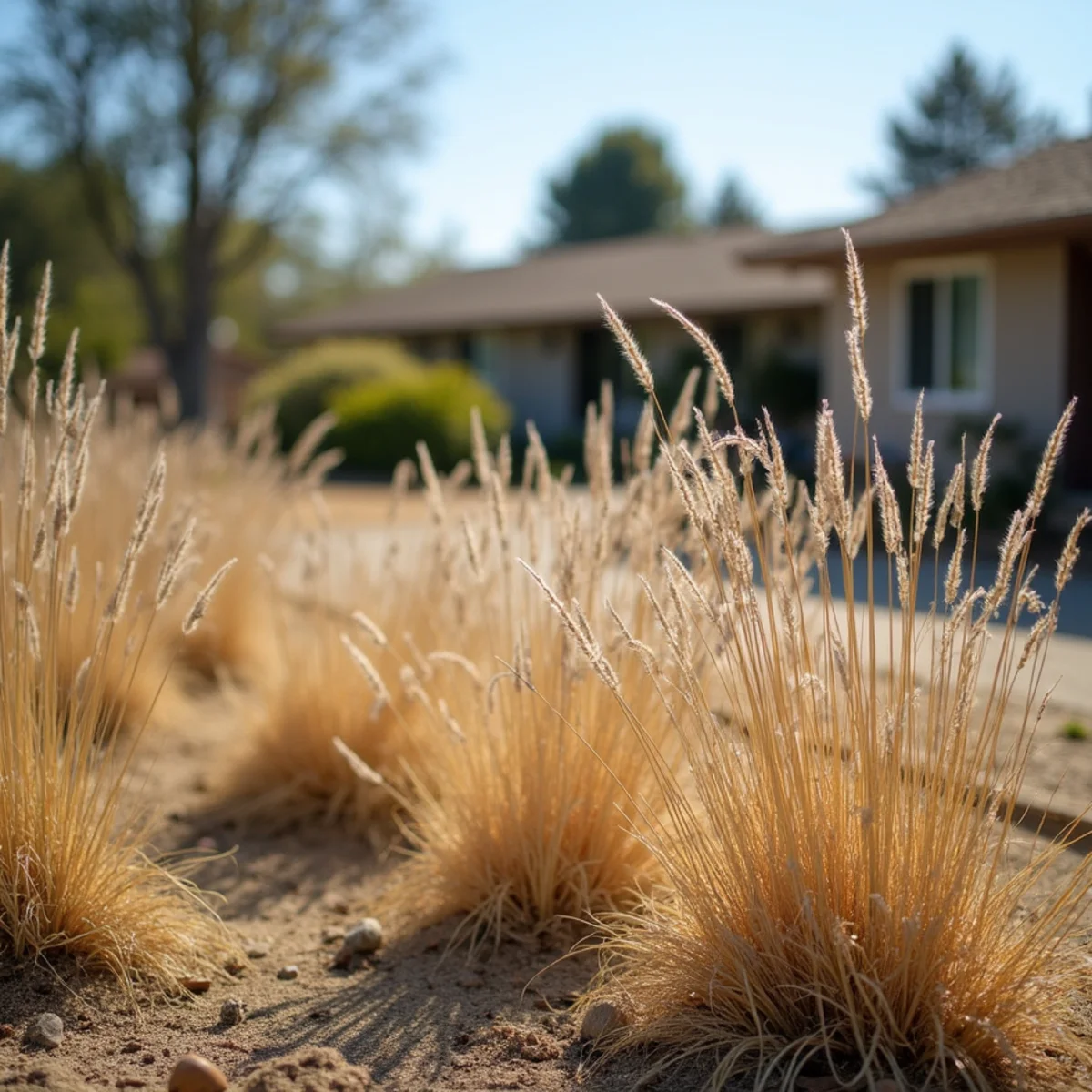
Inland communities dry out fast. In our Atascadero service area, the grasses that were green and knee-high in March are cured and brown by May, and once they cure, cutting them creates its own spark risk. That is why the deadline sits where it does. The smart move is to schedule the work for the window after the grasses have stopped growing but before they are bone dry and before the hottest, windiest part of the day. Cutting cured grass at ten in the morning on a calm day is a very different risk than cutting it at two in the afternoon in a north wind.
Doing It Yourself vs. Hiring Out
A small, flat lot with light growth is a reasonable weekend job if you have the equipment and haul it away properly. Larger parcels, steep ground, heavy brush, and lots with oak or other protected trees are where hiring out makes sense, both for the labor and to avoid damaging trees you are not allowed to touch. A professional crew also documents the work, which matters if an inspector questions whether the parcel was cleared to standard.
If you have a notice in hand and a deadline bearing down, do not let it sit. We clear weed-abatement jobs across San Luis Obispo County, haul the material off, and leave the property to standard. Call Kestrel Landscapes at (323) 606-0255 for a free assessment, and bring your notice so we can match the work to exactly what your jurisdiction requires.
Frequently asked questions
If you miss the deadline, the county or fire district can send its own contractor to clear the property and bill you, typically at a higher rate than hiring your own crew, plus administrative fees. The notice is a legal order, not a suggestion.
The deadline on the Central Coast commonly falls around June 1, but it varies by jurisdiction and can change year to year. Verify the exact date and standard printed on your own notice, since city, county, and fire-district rules differ.
No. Cut grass left on the ground is still fuel and inspectors will flag it. Compliance requires clearing and removing the cut material, not just knocking it down. Proper weed abatement always includes hauling the debris off the property.
Want this handled for your property?
Get a free on-site assessment from a Los Osos design-build crew. Based in Los Osos — most SLO County assessments scheduled within 48 hours.