Cost & Rebates • 8 min read
How to Claim Up to $6,000: SLO County Cash-for-Grass Rebate, Step by Step
SLO County's cash-for-grass rebate can pay a real chunk of a lawn conversion, but only if you follow the steps in order. Here is how to qualify, apply, and avoid the mistakes that void a claim.
By Kestrel Landscapes · Published March 5, 2026
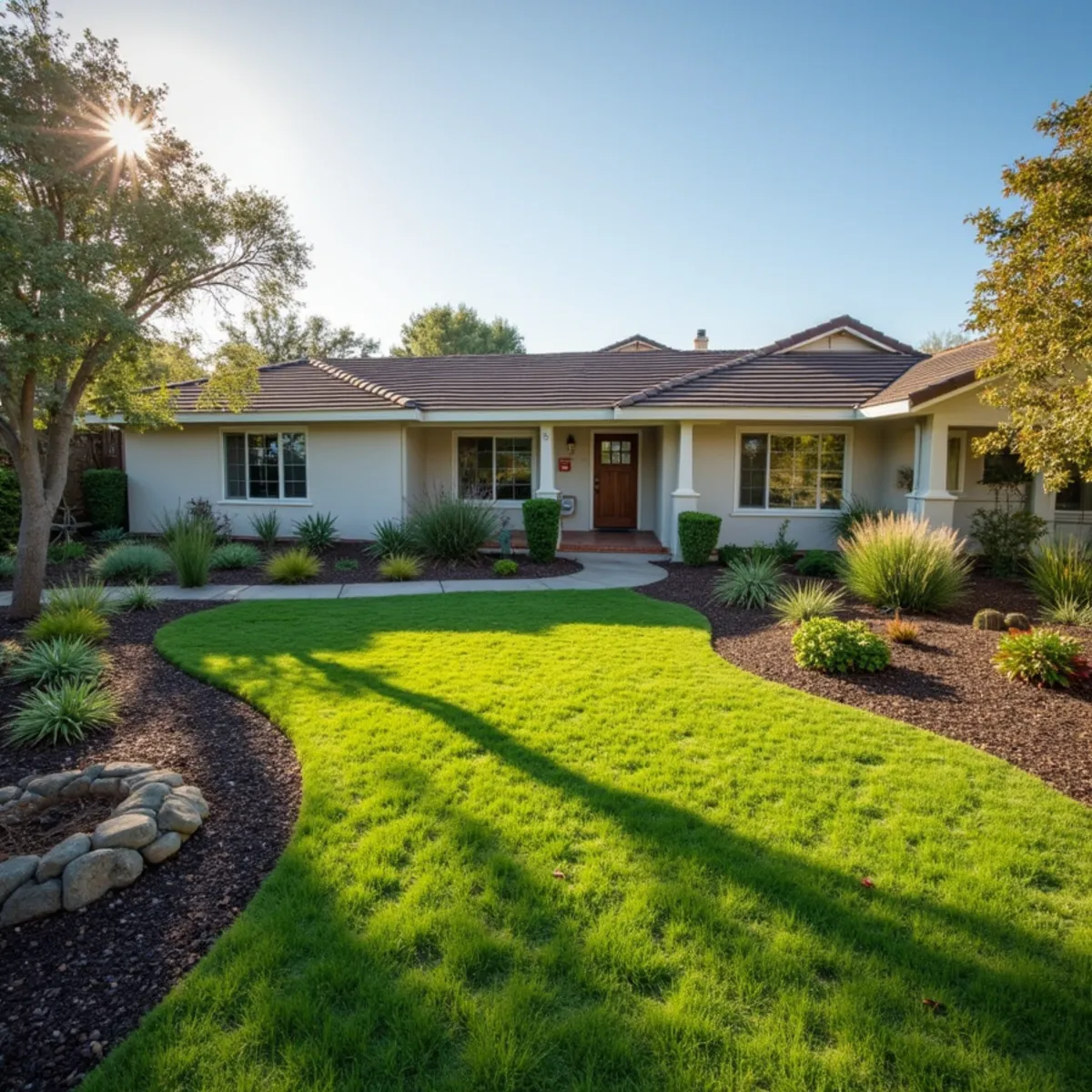
Replacing a thirsty lawn with drought-tolerant landscaping is one of the few home projects that lowers your water bill, raises your curb appeal, and comes with a check from a rebate program. On the Central Coast, that check can be meaningful, up to several thousand dollars in the highest-need groundwater basins. But rebate programs are strict about process, and the single most common way people lose the money is by starting the work before they are approved.
This guide walks through the cash-for-grass process in San Luis Obispo County the way we walk our own clients through it, in order, with the pitfalls flagged. Rebate terms change, so treat every dollar figure and rule here as a starting point to verify against the current program, not a guarantee.
What the Rebate Pays and Who Qualifies
Cash-for-grass programs pay you per square foot of live turf you remove and replace with qualifying low-water landscaping. In SLO County, the rate is commonly around a dollar per square foot, and in the highest-need basins such as the Nipomo Mesa and the Paso Robles basin, the cap can run up to roughly $6,000 for a residential property. In Morro Bay, the rate has run closer to fifty cents per square foot. These numbers move, and eligibility depends on your water provider and your basin, so confirm the current terms before you count on a figure.
The Step Everyone Skips: Apply Before You Dig
Here is the rule that voids more claims than any other: you must apply and be approved before you remove a single square foot of lawn. Most programs require a pre-inspection, or at least pre-project photos, to verify you had living turf to begin with. If you tear out the lawn first and apply after, you have no proof of what was there, and the application is dead. Do not touch the grass until you have written approval in hand.
- Confirm your water provider participates and check the current rate, cap, and rules.
- Measure the turf area you plan to convert and take clear before photos.
- Submit the application and wait for written pre-approval or a pre-inspection.
- Only after approval, remove the lawn and install qualifying landscaping.
- Take after photos, submit final documentation, and claim the rebate.
What Counts as a Qualifying Replacement
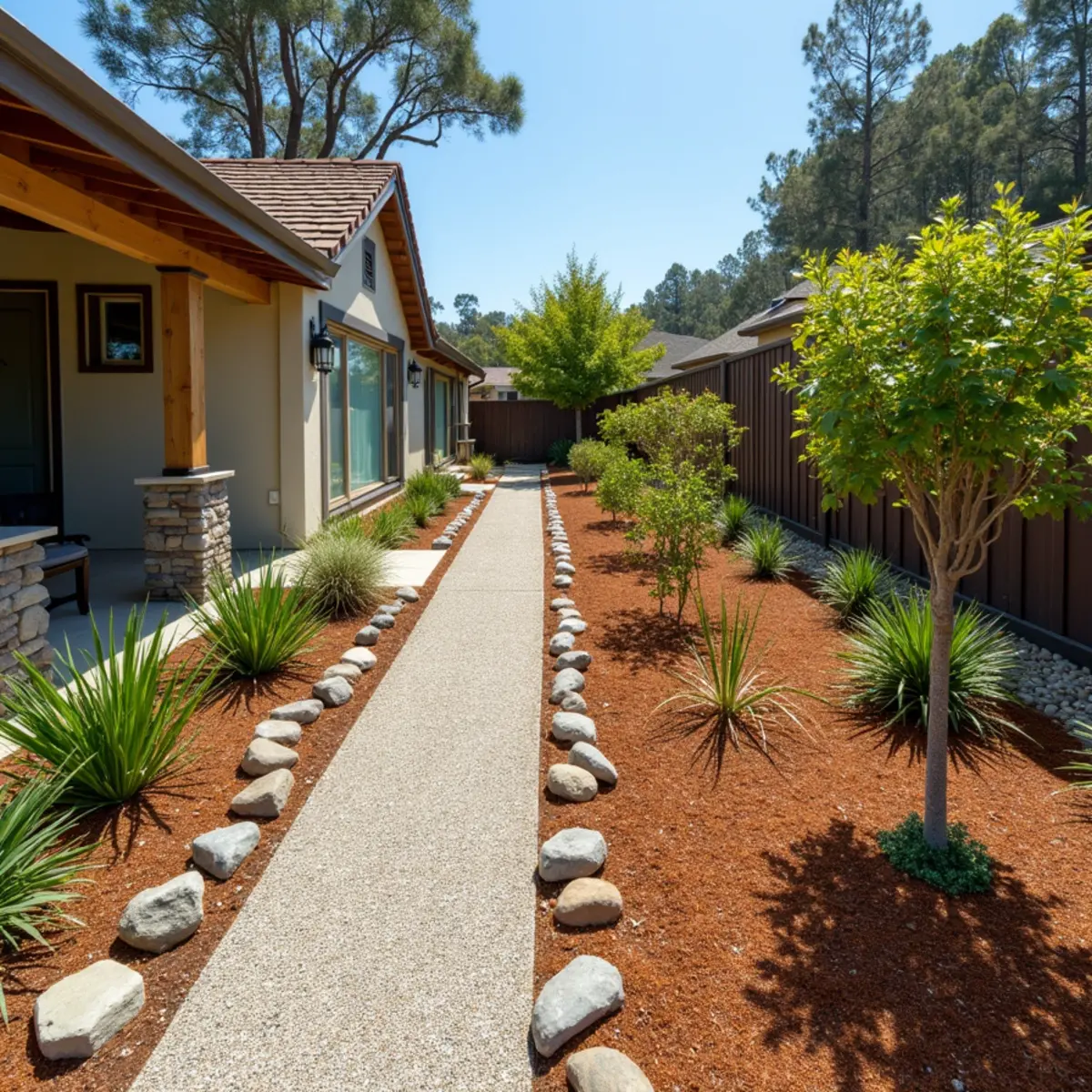
You cannot pull the lawn and pour a slab of concrete. Programs require that the converted area be permeable and planted, not paved over, because the point is water conservation and keeping rainfall in the ground. Requirements typically include a minimum density of drought-tolerant plants, permeable ground cover such as mulch or decomposed granite over the bare soil, and often a switch from spray irrigation to drip. Synthetic turf may or may not qualify depending on the program, so check before you assume.
This is exactly the kind of conversion our drought-tolerant and xeriscape landscaping service is built around, and designing it to meet rebate rules from the start is far easier than retrofitting a design to qualify after the fact. If you are weighing ground cover options for the new beds, our comparison of decomposed granite versus mulch covers what each does well.
Why the Nipomo Mesa Is a Special Case
The reason the rebate is so generous in some basins comes down to groundwater. In our Nipomo service area, the Mesa sits over a basin that has been under real pressure, and the water agencies there have strong incentives to reduce outdoor demand. That is why the per-square-foot rate and cap tend to sit at the top of the county range. If you live on the Mesa, a lawn conversion is one of the higher-value projects you can do, both for the rebate and for the long-term water savings. It is worth measuring your lawn carefully, because at the higher cap, a large front yard can approach the maximum rebate.
The Real Math Beyond the Rebate
The rebate is the visible savings, but the bigger number is the water bill. A conventional lawn on the Central Coast can drink tens of thousands of gallons a year. Drought-tolerant landscaping, once established, uses a fraction of that. Add in the time you get back from not mowing, and the payback on a conversion is often faster than people expect, with the rebate simply pulling the break-even point forward.
If you are thinking about pulling the lawn this season, the time to plan is before you touch it, so the design qualifies and the paperwork lines up. We design and install rebate-eligible lawn conversions across San Luis Obispo County and can help you sequence the application correctly. Call Kestrel Landscapes at (323) 606-0255 for a free assessment, and we will help you claim every dollar the program allows.
Frequently asked questions
It commonly runs around a dollar per square foot, with caps up to roughly $6,000 in the highest-need basins like the Nipomo Mesa and Paso Robles basin. Morro Bay has run closer to fifty cents per square foot. Verify current terms with your water agency, as they change.
No, and this is the most common way people lose the money. Most programs require pre-approval and proof you had living turf, usually through a pre-inspection or before photos. Wait for written approval before removing any grass.
It depends on the program. Some cash-for-grass rebates require permeable, planted replacement and exclude synthetic turf, while others allow it. Confirm with your specific water provider before choosing turf if the rebate is part of your budget.
Want this handled for your property?
Get a free on-site assessment from a Los Osos design-build crew. Based in Los Osos — most SLO County assessments scheduled within 48 hours.