Problem-Solving • 8 min read
Fog Belt vs. 100°F Inland: Two Plant Palettes for One County
San Luis Obispo County is really two climates: the cool coastal fog belt and the hot inland valleys. Planting the same palette in both is why gardens struggle. Here are two lists that actually thrive.
By Kestrel Landscapes · Published March 24, 2026
One of the most common reasons a Central Coast garden underperforms is a simple mismatch: the right plant in the wrong climate zone. San Luis Obispo County looks like one place on a map, but it is really two distinct growing environments separated by a few miles and a coastal range. The cool, foggy coast and the hot, dry inland valleys ask for genuinely different plants, and a palette that thrives in Los Osos can struggle in Paso Robles, and vice versa.
Understanding which zone you are in, and planting to it, is the difference between a landscape that fills in and takes care of itself and one you are constantly babying. Here is how the two climates differ and two plant palettes matched to each.
Two Climates, A Few Miles Apart
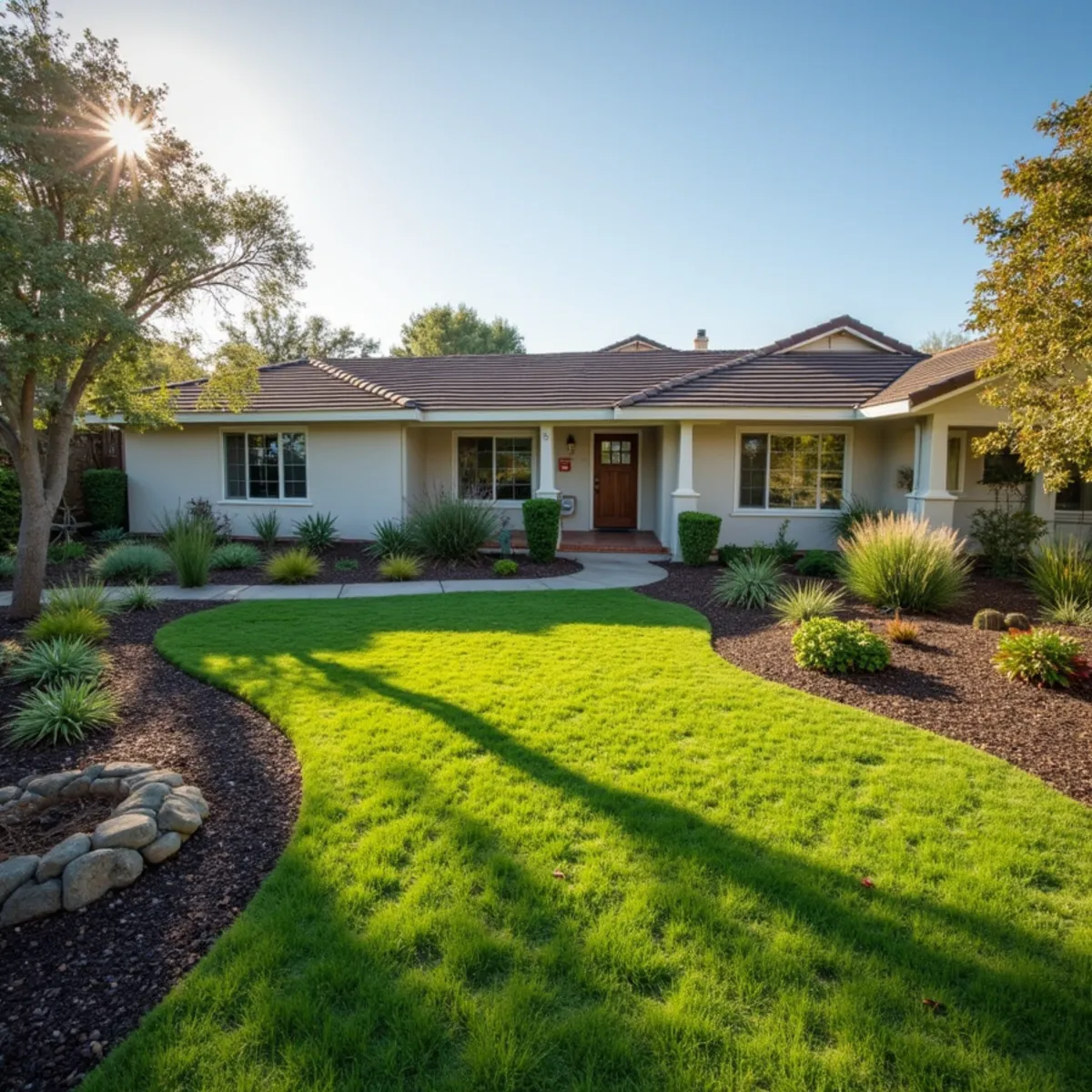
The coastal fog belt, from Los Osos and Morro Bay down through the beach towns, lives under marine influence. Summer days are mild, fog rolls in most mornings, humidity stays higher, and temperature swings are gentle. Plants here rarely see extreme heat but must handle salt air, wind, and less intense sun. Inland, over the grade in Atascadero, Templeton, and especially Paso Robles, the marine layer burns off and summer means long stretches of dry, intense heat well into the triple digits, with cold nights and a much wider daily temperature swing.
The Fog-Belt Palette
Coastal plants have to shrug off salt, wind, and cool damp air, and reward you by rarely needing protection from heat. Many California coastal natives are purpose-built for exactly this. The enemy here is less drought and more wind exposure and, in poorly drained spots, too much moisture at the roots.
- Coast live oak and Monterey cypress for structure, both built for the coast.
- Ceanothus and coastal manzanita varieties, native and wind-tolerant.
- Coastal sagebrush, seaside daisy, and California fuchsia for color.
- Coffeeberry and toyon as reliable native screening shrubs.
- Deergrass and other native bunchgrasses that handle wind and fog.
This coastal palette is the backbone of the drought-tolerant designs we build in the fog belt, and matching it to a specific site is what our landscape design and installation process is built around. In our Los Osos service area, where salt air and wind are constants, choosing plants that expect those conditions rather than merely tolerate them is what makes a garden thrive instead of just survive.
The Hot-Inland Palette
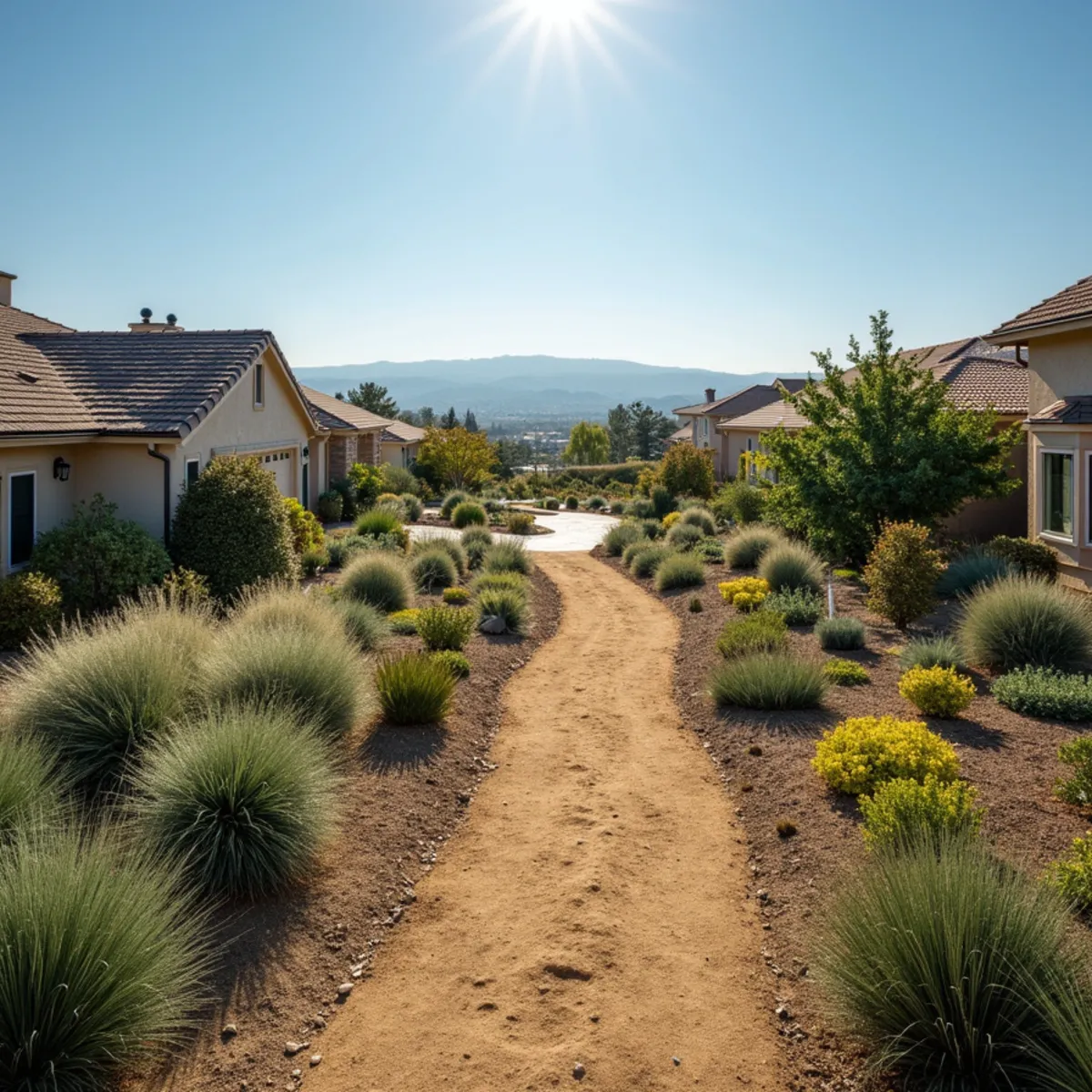
Inland, the game changes. Now the plant has to survive genuine summer heat, long dry spells, and cold winter nights, a wider range than the coast ever sees. Mediterranean and high-desert-adapted plants shine here, along with the inland-adapted California natives that evolved in exactly this heat.
- Valley oak and inland-adapted natives built for real heat.
- Lavender, rosemary, and Mediterranean herbs that love hot, dry summers.
- Salvias, especially the heat-loving varieties, for long bloom in the heat.
- Agave, yucca, and other architectural succulents for sculptural, waterwise structure.
- Native buckwheat and California poppy for tough, colorful, self-sufficient cover.
Paso Robles wine country is the classic hot-inland environment, and the landscapes that look effortless there are the ones planted with heat as the starting assumption. Homeowners in our Paso Robles service area who plant a coastal palette often watch it scorch by August, while a properly matched inland palette barely notices the heat.
The Mistakes That Come From Ignoring the Zone
The classic error is buying plants at a nursery, or copying a friend's garden, without accounting for which side of the grade you live on. A moisture-loving coastal plant bakes and dies inland. A heat-adapted desert plant can rot in the cool, damp coastal soil. Beyond the plants themselves, irrigation needs differ, the inland garden needs more water to establish and through the heat, while the coastal garden can rot if overwatered in cool, humid conditions.
There is also a fire-safety layer inland, where the heat and dry brush raise the stakes. If you garden in the hotter, drier parts of the county, pairing the right plant palette with defensible space is smart, and our guide on PRC 4291 defensible space and Zone 0 covers how to keep the five feet around your house ember-resistant.
Getting the palette right for your specific microclimate is the foundation of a landscape that thrives with less water and less fuss, and it starts with an honest read of your site. Call Kestrel Landscapes at (323) 606-0255 for a free assessment anywhere in San Luis Obispo County, and we will design a planting plan matched to your exact spot on the map.
Frequently asked questions
If summer mornings bring regular fog and you rarely exceed 90 degrees, you are in the coastal fog belt. If afternoons routinely push past 95 and nights cool sharply, you are inland. The coastal range is the rough dividing line, and just a few miles changes the climate dramatically.
Some overlap, like certain salvias and native grasses, but many do not. Coastal plants handle salt, wind, and cool damp air but can scorch inland, while heat-adapted plants can rot in cool coastal soil. Match the palette to your specific zone for best results.
Generally yes, especially to establish and through the summer heat. Coastal gardens benefit from fog and cooler temperatures and can actually rot if overwatered in humid conditions. Irrigation should be tuned to the microclimate, not applied the same way countywide.
Want this handled for your property?
Get a free on-site assessment from a Los Osos design-build crew. Based in Los Osos — most SLO County assessments scheduled within 48 hours.