Problem-Solving • 7 min read
Deer Are Eating Your Garden: Deer-Resistant Natives + the 6-ft No-Climb Fence Fix
Deer will strip a garden overnight. The lasting fix is a two-part strategy: plant what deer avoid and fence out what they cannot resist. Here is how to do both on the Central Coast.
By Kestrel Landscapes · Published April 28, 2026
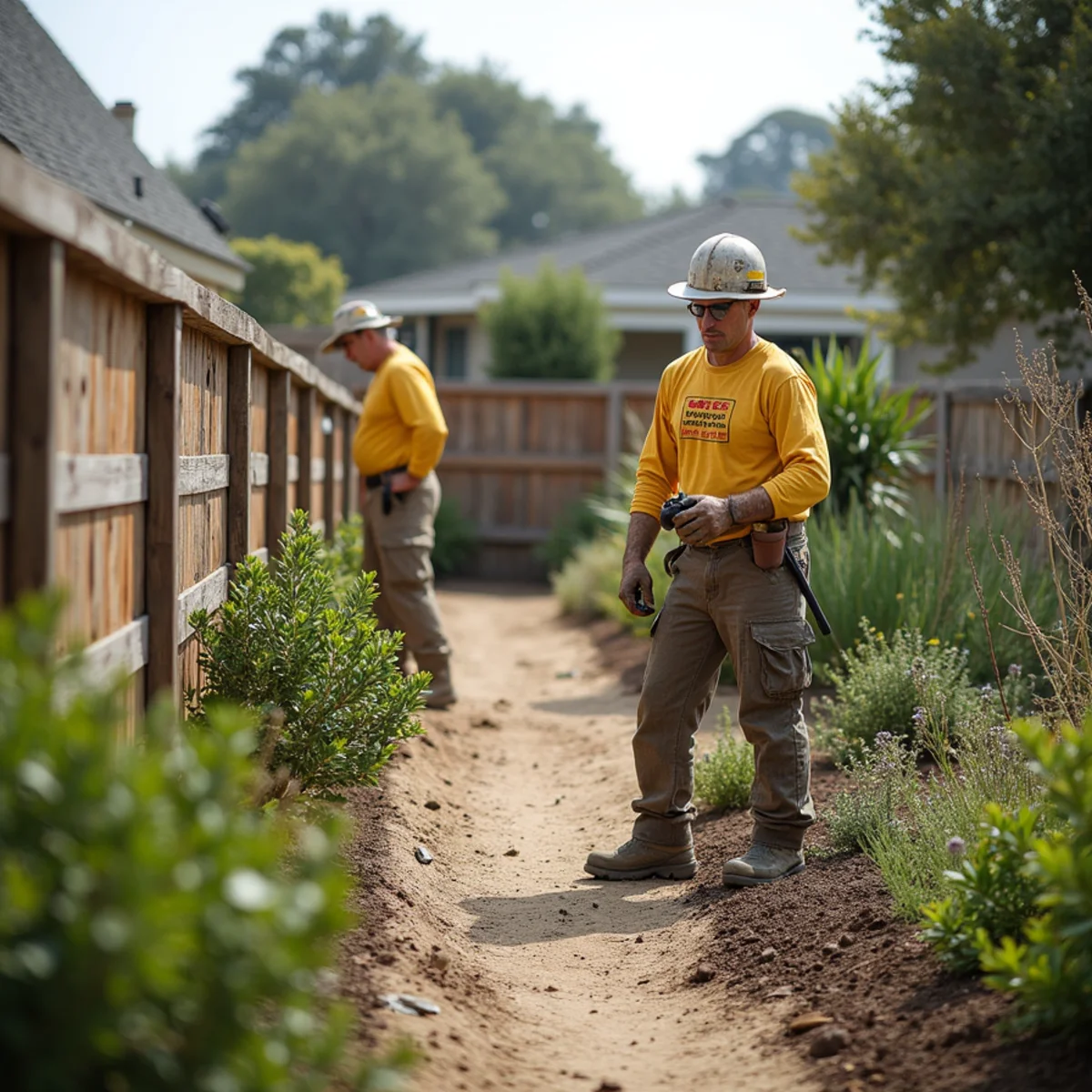
Few things sting like walking out in the morning to find the roses, the new lettuce, and half the perennials sheared to nubs. On the Central Coast, deer are not an occasional visitor, they are residents, and a hungry deer will test everything in your yard. The frustrating truth is that there is no single silver bullet. What works is a two-part strategy: plant things deer tend to leave alone, and physically exclude them from the things they cannot resist.
This guide covers both halves. First, the deer-resistant native palette that thrives in our climate, and second, the honest reality of fencing deer out, including why height and design matter more than most people think. Do both and you get a garden that survives.
Why 'Deer-Resistant' Is Not 'Deer-Proof'
Let us set expectations. No plant is truly deer-proof. A deer that is hungry enough will sample almost anything, and young, tender growth is more vulnerable than established plants. What we can do is heavily stack the odds. Deer avoid plants that are aromatic, fuzzy, spiny, or toxic, and they strongly prefer soft, watered, tender growth. Build a garden around the former and you dramatically reduce the browsing, even if you never eliminate it.
A Deer-Resistant Native Palette for the Central Coast
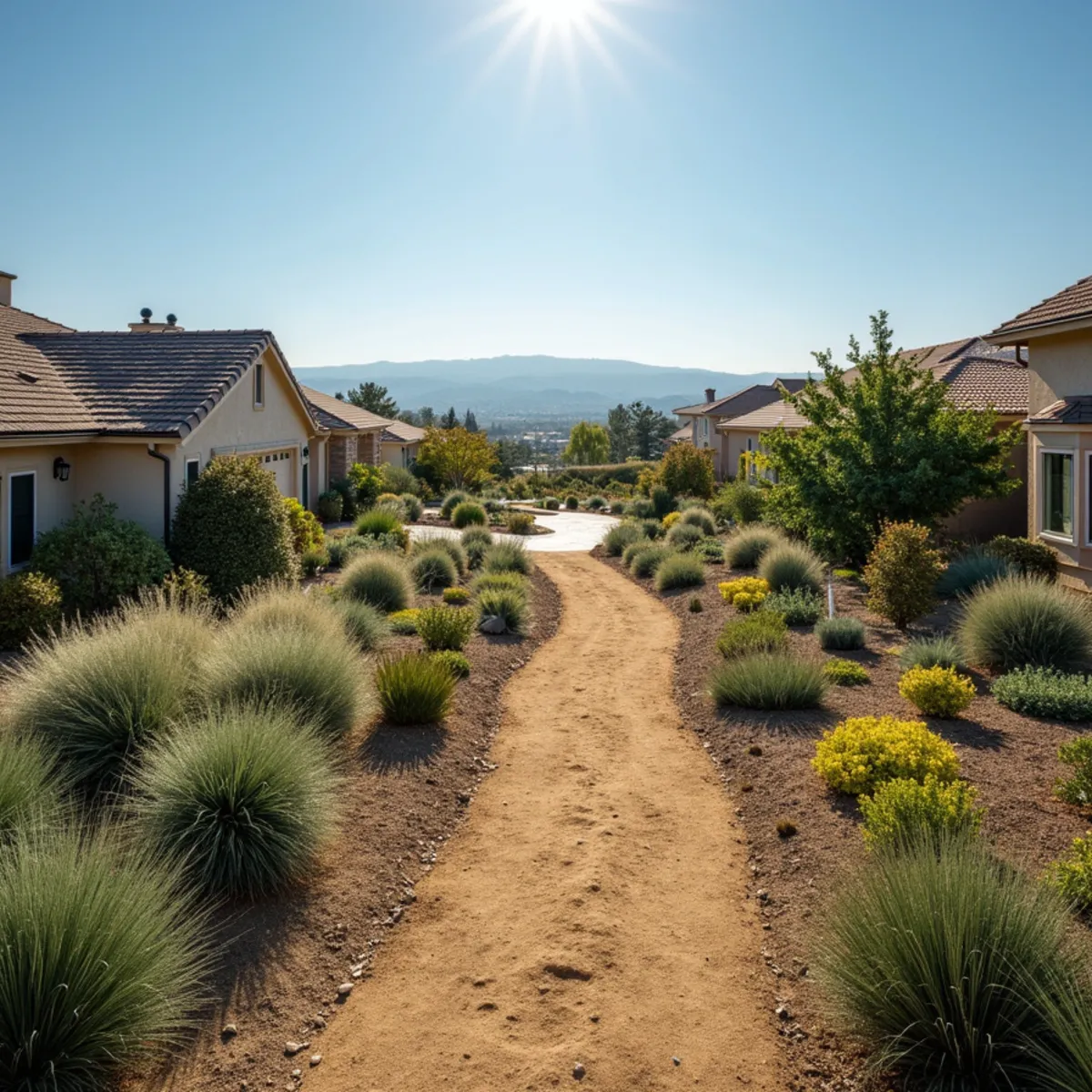
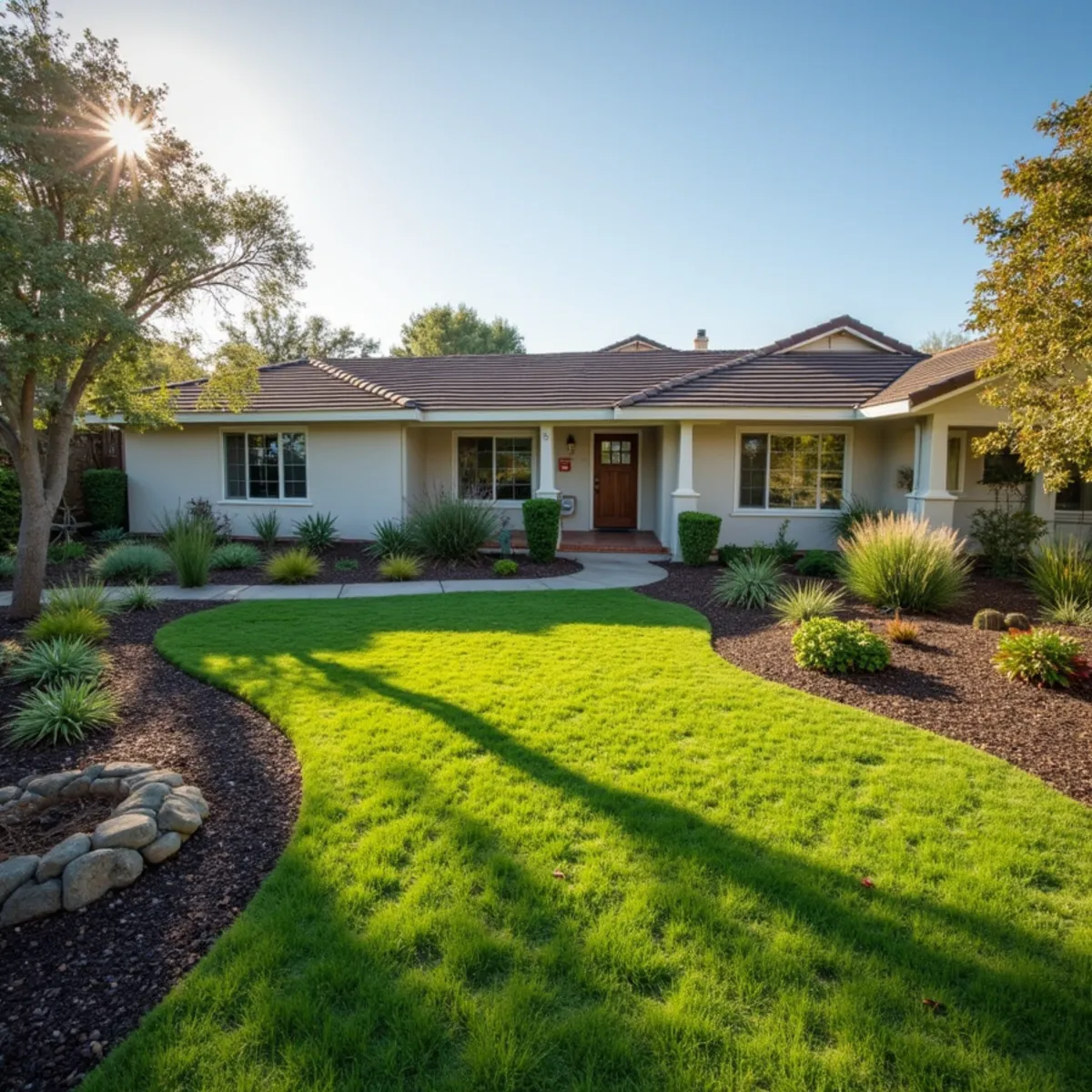
The happy overlap for us is that many of the best deer-resistant plants are also drought-tolerant California natives, which means they handle our dry summers and qualify for the water-wise approach the whole region is moving toward. Here are reliable performers.
- California sagebrush and the culinary and ornamental salvias, aromatic and tough.
- Ceanothus (California lilac), a native workhorse deer usually pass over.
- Manzanita, with its structure and bark, largely ignored by deer.
- Ornamental and native bunchgrasses such as deergrass, which deer rarely touch.
- Lavender, rosemary, and yarrow, aromatic and drought-tolerant.
- Toyon and coffeeberry, native shrubs that shrug off browsing.
Designing a full garden around plants like these is exactly what our drought-tolerant and xeriscape landscaping service does, and building the palette to match your specific microclimate matters, which is why our guide on fog belt versus inland plant palettes is worth a look before you plant. The coast and the inland valleys ask for different lists.
When Plants Are Not Enough: The Fence
If you want to grow the things deer love, a vegetable garden, roses, fruit trees, planting alone will not save them. You need a physical barrier, and here the details are unforgiving. Deer are extraordinary jumpers, and a four-foot fence is a speed bump to them. The standard that actually works is height and a design they cannot slip through or climb.
Why Six Feet and No-Climb
A deer can clear a six-foot fence from a standstill under the right motivation, but six feet is the practical minimum that deters most deer most of the time, and eight feet is the gold standard for a garden they are truly determined to reach. Equally important is the mesh. No-climb woven wire, with openings small enough that a deer cannot get a hoof-hold and a dog or fawn cannot slip through, closes the gaps that a simple rail fence leaves open. Deer will go under, through, or over a poorly built fence, so all three routes have to be closed.
This is where our fence installation work earns its keep. A deer fence that works is not just tall, it is properly tensioned, closed at the bottom so deer cannot push under, and built to survive our wind. In our Los Osos service area, where gardens sit right up against open space and the deer pressure is constant, we build these regularly, and the difference between a fence that mostly works and one that fully works is entirely in the details.
The Combined Strategy That Actually Wins
Put the two halves together and you get a resilient garden. Use deer-resistant natives for the bulk of the landscape, the borders, the slopes, the ornamental beds, so most of your yard needs no protection at all. Then reserve a properly fenced enclosure for the high-value, deer-candy plants: the vegetables, the roses, the young fruit trees. This way you are not trying to fence your entire property, only the part that needs it, and the rest simply is not worth a deer's effort.
If deer have turned your garden into their buffet, we can design a deer-resistant landscape and build the fencing that protects what is left. Call Kestrel Landscapes at (323) 606-0255 for a free assessment across San Luis Obispo County, and we will put together a plan that lets you actually keep what you plant.
Frequently asked questions
There is no single best, but aromatic natives like salvia, California sagebrush, ceanothus, and manzanita are reliable performers that are also drought-tolerant. Deer avoid aromatic, fuzzy, and spiny plants and prefer soft, tender, watered growth.
Six feet is the practical minimum to deter most deer, and eight feet is the standard for a garden deer are determined to reach. Height alone is not enough, though; the fence must also be closed at the bottom and use no-climb mesh.
For most of a landscape, yes, if you choose plants deer avoid. But for high-value targets like vegetables, roses, and young fruit trees, deer will browse them regardless, so those areas need a proper fence. The winning approach combines both.
Want this handled for your property?
Get a free on-site assessment from a Los Osos design-build crew. Based in Los Osos — most SLO County assessments scheduled within 48 hours.