Maintenance • 8 min read
The Central Coast 12-Month Low-Maintenance Landscape Calendar
A drought-tolerant yard still has a rhythm. Here is what to do each month on the Central Coast to keep it healthy with the least effort.
By Kestrel Landscapes · Published July 14, 2026
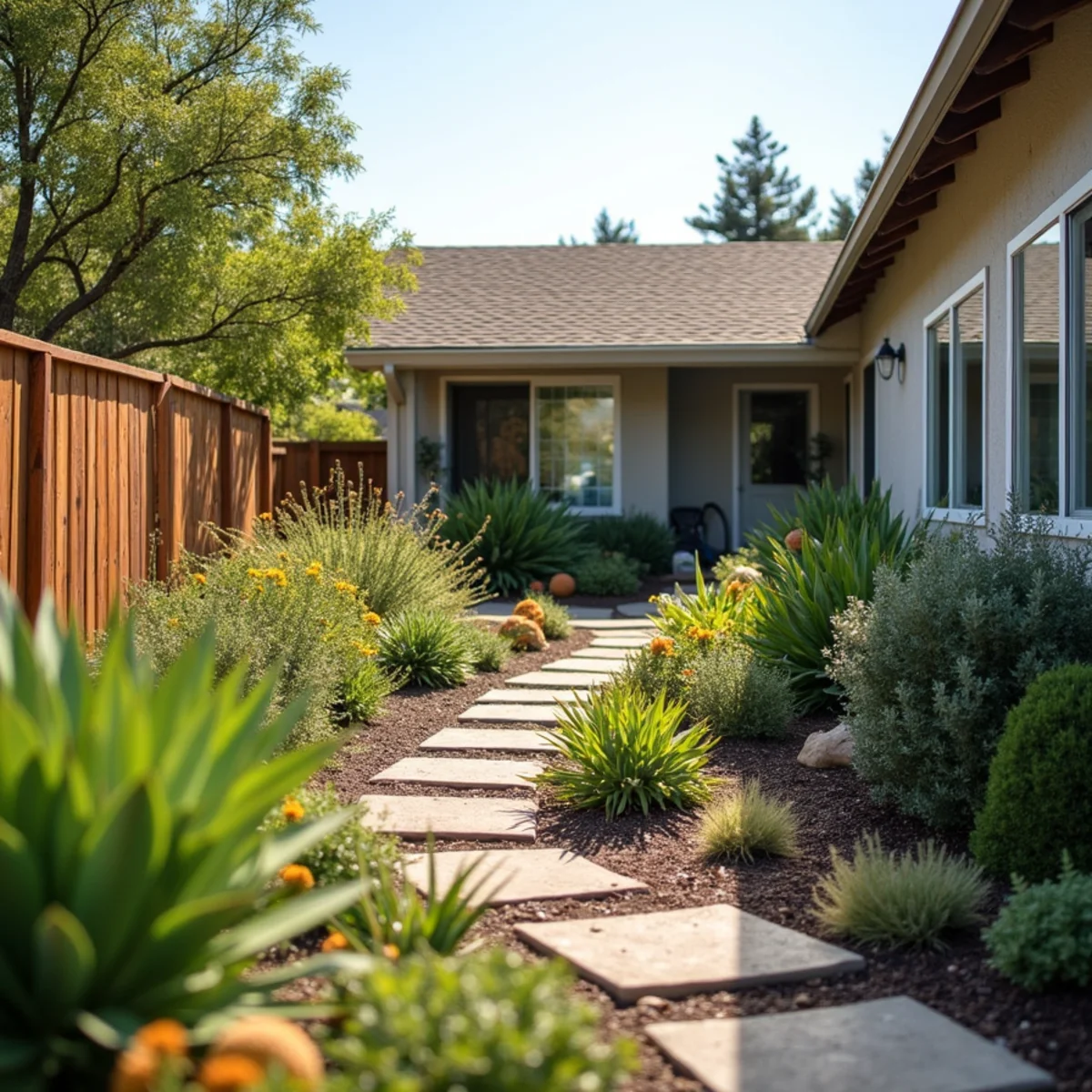
A well-designed drought-tolerant landscape is low-maintenance, not no-maintenance. The good news is that the work is light and predictable once you know the rhythm of our coastal year — wet winters, a long dry stretch from late spring into fall, and the fog that softens summer near the coast. Do a few right things at the right time and the yard largely runs itself. Miss the timing and you end up fighting weeds, dead grass, and stressed plants at the worst possible moments.
This calendar is the one we hand clients across San Luis Obispo County so they know what each season asks. It assumes a drought-tolerant palette on drip irrigation — the low-input setup we recommend for our climate — and it works for most yards from the fog belt to the inland valleys, with small timing shifts.
Winter: December through February
Winter is the rainy season and the rest period. Your main jobs are to let the rain do the watering and to prepare for the year ahead.
- Turn off or heavily reduce irrigation — running drip during rains wastes water and can drown roots.
- This is the best planting window: cool, wet soil helps natives and drought-tolerant plants establish deep roots before summer.
- Prune dormant deciduous plants and remove dead or crossing branches.
- Refresh mulch to 2 to 3 inches, keeping it back from trunks and away from the house for fire safety.
- Clear storm debris and check that drains and swales are flowing after heavy rain.
Spring: March through May
Spring is the busy stretch. Everything grows at once — including the weeds — and it is when you set up the yard to coast through summer.
- Pull weeds while they are young and the soil is still soft; a little effort now prevents a fire-season fuel load.
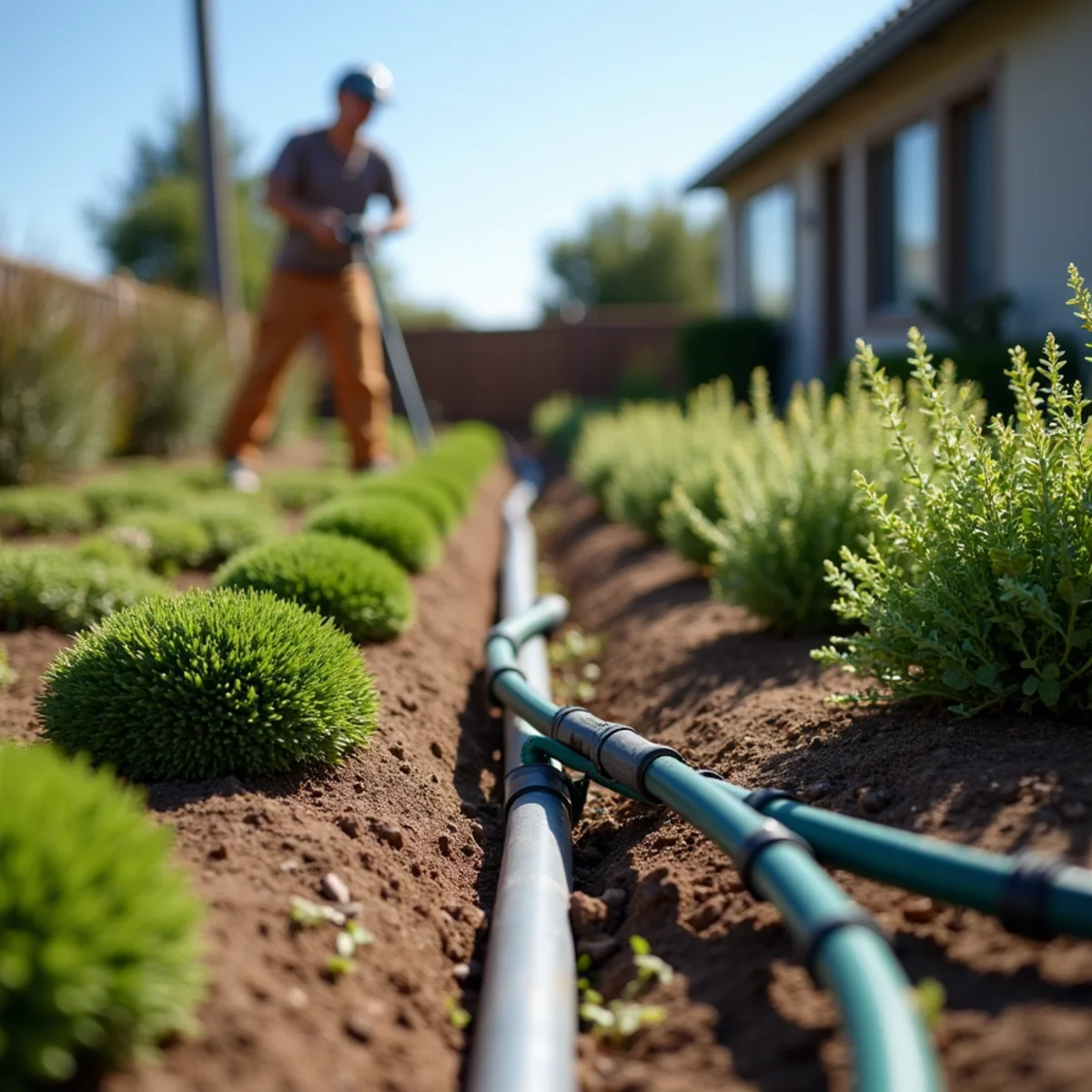
- Check and test the irrigation system before the dry season: clear emitters, fix leaks, reset the controller.
- Do the year's main weed abatement and defensible space clearing ahead of the county deadline.
- Cut back frost-tender growth and shape spring-flowering shrubs after they bloom.
- Divide overgrown perennials and grasses if needed.
Summer: June through August
Summer is the long dry season, but a drought-tolerant yard on drip needs less from you than a lawn does. The theme is deep, infrequent watering and light upkeep.
- Water deeply and infrequently through drip — this pushes roots down and builds drought resilience.
- Follow local watering rules; time-of-day restrictions often apply, and near the coast the fog reduces how much you need.
- Deadhead spent flowers and lightly shape plants, but avoid hard pruning in the heat.
- Watch for pests and stressed plants, and keep an eye on newer plantings, which need more water their first summer.
- Keep grasses and weeds cut low all season for fire safety, not just once in spring.
Fall: September through November
Fall is the second planting window and the transition back toward rain. It is arguably the most valuable month-for-month work of the year, because plants set in fall establish over the mild, moist winter.
- Plant natives and drought-tolerant species so winter rains establish them for free.
- Cut back and clean up spent summer growth as plants slow down.
- Adjust the irrigation controller down as days shorten and cool, then prepare to shut it off when rains begin.
- Clean gutters, check drainage, and clear debris before the first storms — our storm-prep season starts now.
- Refresh mulch heading into winter.
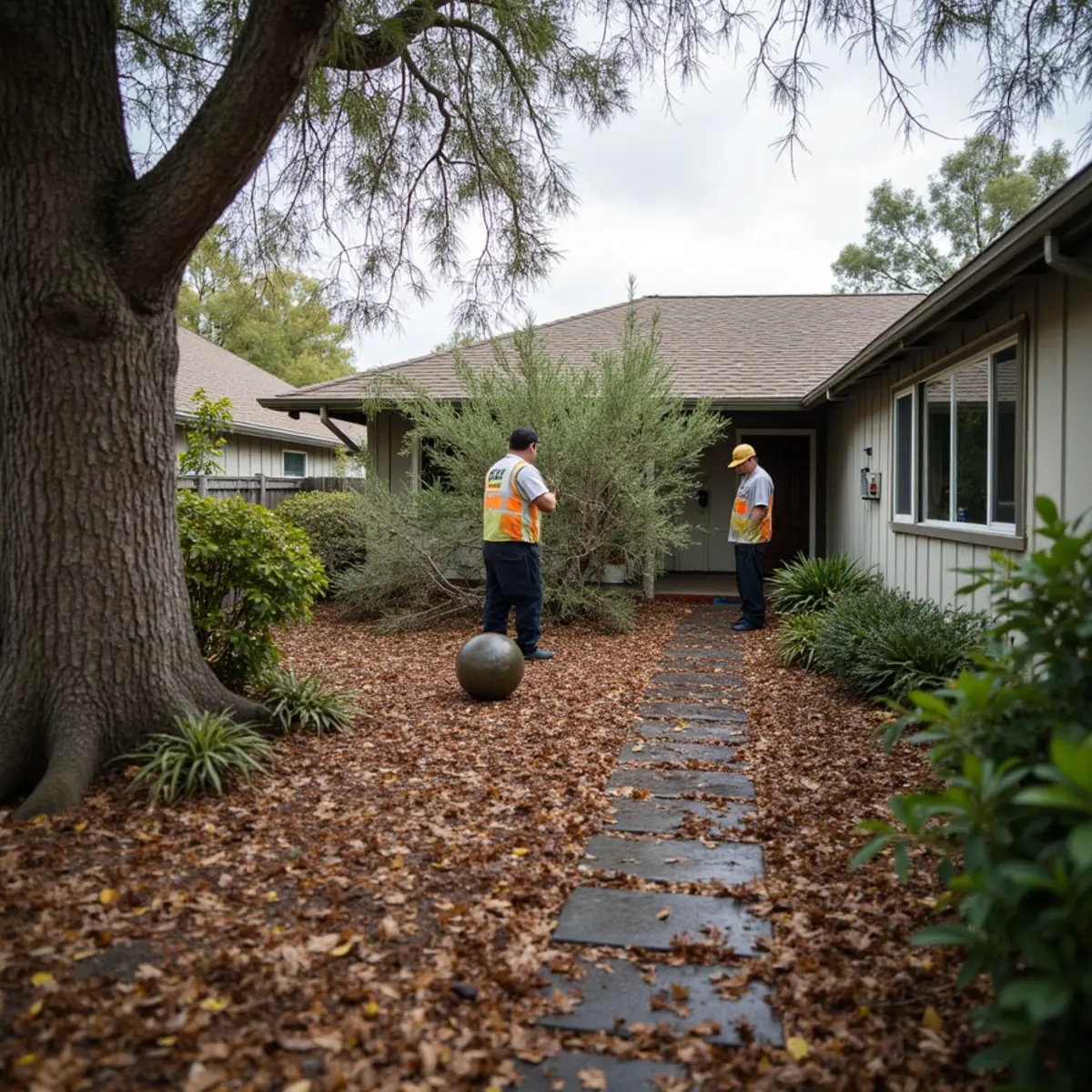
Fall storm prep matters more than people expect. The first big rain after a dry summer finds every clogged drain and every low spot. Getting ahead of it prevents the flooding and slope problems that follow neglected drainage — and if a storm does drop a tree or a pile of debris, our guide to storm debris cleanup on the Central Coast covers the aftermath.
The payoff of a low-maintenance design
If this list still feels like a lot, that usually points to a design problem, not a maintenance one. A yard built around the right plants, proper drip zones, generous mulch, and minimal lawn compresses all of this into a few easy hours a season. That is the whole promise of good residential landscaping on the Central Coast — a yard that looks cared-for without ruling your weekends. We design for exactly that low-effort outcome.
Want a calendar tailored to your specific yard, plants, and microclimate — or want us to handle the seasonal work so you do not have to think about it? Call Kestrel Landscapes at (323) 606-0255 for a free assessment, and we will map out the year for your property.
Frequently asked questions
Fall and winter are ideal. Cool, moist soil lets natives and drought-tolerant plants establish deep roots over the rainy season, so they need far less water their first summer than spring plantings do.
Deeply and infrequently through drip, rather than a little every day. The exact frequency depends on your plants, soil, and whether you are in the fog belt or inland. Follow current local watering rules.
Low, not zero. There is a light seasonal rhythm — planting in fall and winter, weeding and clearing in spring, deep watering in summer. A good design keeps it to a few easy hours a season.
Want this handled for your property?
Get a free on-site assessment from a Los Osos design-build crew. Based in Los Osos — most SLO County assessments scheduled within 48 hours.