
Problem-Solving • 7 min read
Convert to Drip Without Breaking the Watering Rules: Odd/Even Days & the 10am–4pm Ban
Spray heads waste water and often break the rules. Here is how to convert to drip and keep your schedule legal on the Central Coast.
By Kestrel Landscapes · Published April 7, 2026
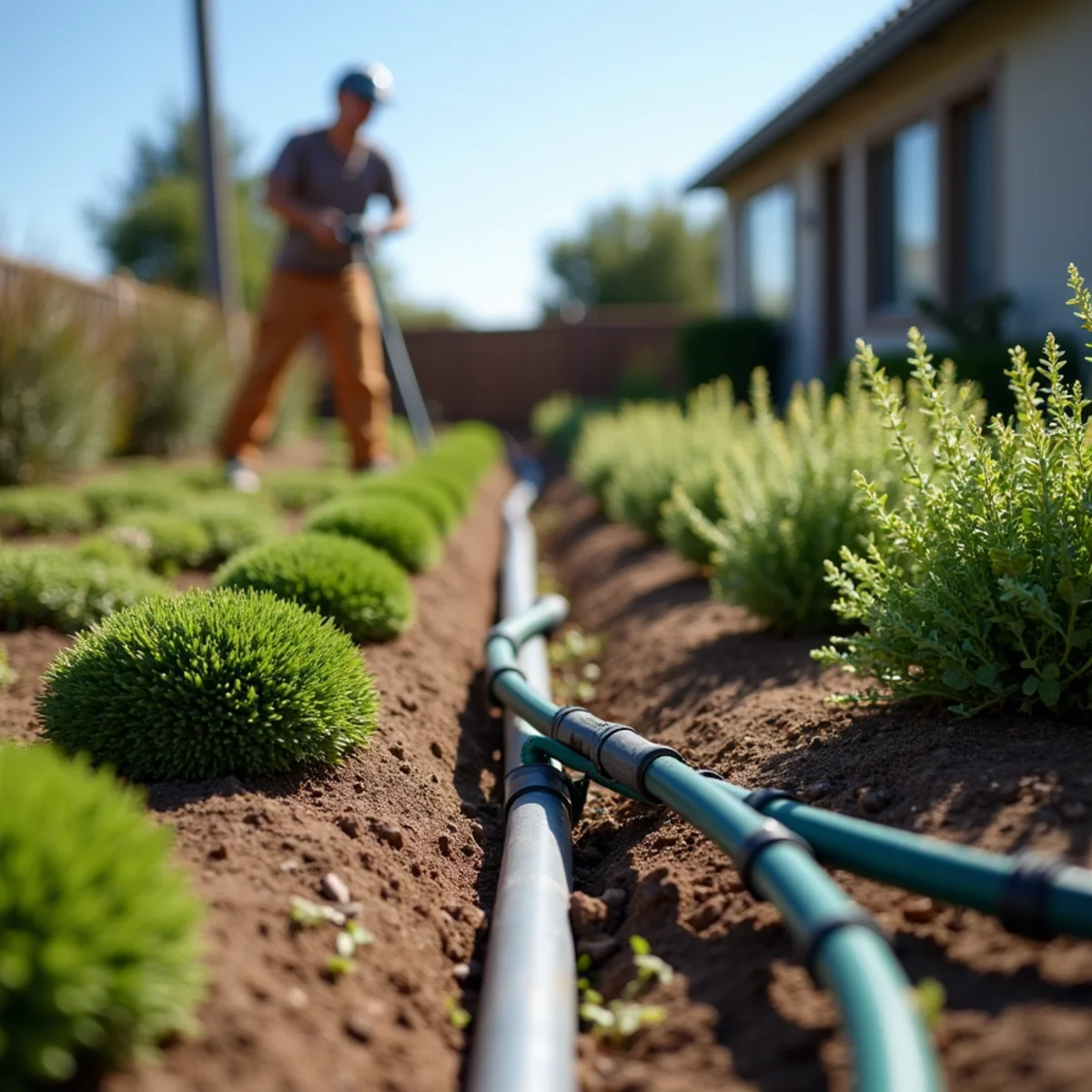
If you have gotten a note from the city about your sprinklers running at the wrong time, you are not alone. Most of the overhead spray systems we see around San Luis Obispo were installed before the current watering restrictions existed, and they run on a clock that does not know a rule ever changed. Converting those zones to drip is one of the few upgrades that saves water, keeps plants healthier, and makes it easier to stay inside the schedule the city expects.
This is the guide we wish more homeowners had before they started digging. It covers what the rules actually say, why spray heads get people in trouble, and how a clean drip irrigation conversion is planned so your yard waters deeply, quietly, and on the right days.
What the watering rules usually require
San Luis Obispo and most Central Coast agencies restrict two things: when you can water and, in tighter years, which days. The time-of-day piece is the one that trips up automated controllers. Overhead irrigation is commonly barred during the middle of the day, roughly 10am to 4pm, because that is when evaporation is highest and half your water leaves as mist before it reaches a root. Some agencies also assign odd or even watering days based on your house number. These rules change with drought stage, so verify the current version with your provider before you set a controller.
Here is the detail people miss: the middle-of-the-day ban is written mainly for overhead spray. Low-volume drip is often allowed a wider window precisely because it does not throw water into the air. Converting to drip does not just cut your usage — it can widen the hours you are legally allowed to run.
Why spray heads keep breaking the rules
A pop-up spray zone has three habits that clash with the rules. First, it waters fast and shallow, so controllers get set to run mid-morning cycles to keep up, landing squarely in the banned window. Second, spray drifts onto sidewalks and driveways, which counts as runoff and waste. Third, a single stuck head or cracked riser can dump water for an entire cycle without anyone noticing until the bill arrives.
Drip removes all three. Water is delivered at the root zone at a low rate the soil can absorb, so you can run before dawn and still finish inside any window. Nothing hits the pavement. And because emitters are visible and low-pressure, leaks show up as a wet spot rather than a geyser.
How we plan a conversion that actually holds up
A drip conversion is more than capping heads and running a tube. The zones were designed for spray flow rates and pressure, and drip needs both reduced and regulated to work. When Kestrel Landscapes converts a system, we work through a specific order.
- Map the existing zones and note which plants each one serves, so we group by water need rather than by old pipe runs.
- Add a pressure regulator and filter at each converted zone — drip fails fast on unfiltered municipal pressure.
- Replace spray heads with drip conversion caps or, better, cap the riser and run dedicated inline emitter tubing to each plant.
- Match emitter output to plant size: low flow for new grasses, more emitters as shrubs and trees mature.
- Reprogram the controller for fewer, longer cycles on the correct days, then check for even wetting after 24 hours.
That last step matters. Drip waters slowly, so a five-minute spray cycle becomes a much longer drip cycle. The goal is deep, infrequent watering that pushes roots down. Shallow daily watering — the thing spray systems encourage — is what leaves plants dependent and fragile in a dry August. Pairing the new system with the right drought-tolerant plant choices for our fog and inland zones is what turns a conversion into a yard that barely needs you.
Smart controllers and the odd/even calendar
A weather-based or Wi-Fi controller earns its keep here. It can hold your odd/even day assignment, skip cycles after rain, and shift start times if the city changes the allowed window. We set the schedule so watering finishes before the daytime ban begins, usually running in the pre-dawn hours when pressure is stable and wind is low. If your house number puts you on odd days, the controller simply will not fire on even ones — no sticky notes required.
Homeowners across our San Luis Obispo service area have found that the combination of drip plus a smart controller cuts irrigation water noticeably while making compliance automatic. The system does the remembering, which is the whole point.
Is your yard a good candidate?
Almost any bed of shrubs, perennials, or trees converts cleanly. Existing lawn is the exception — turf genuinely needs overhead coverage, so if you are keeping grass, the smarter move is often to shrink it and drip the borders. If you have already decided the lawn is going, a conversion pairs naturally with a rebate-eligible removal.
Want to know whether your zones are worth converting or worth replacing? We will walk the yard, test your pressure, and give you a straight answer at no charge. Call Kestrel Landscapes at (323) 606-0255 to set up a free assessment, and we will map a conversion that saves water and keeps your schedule on the right side of the rules.
Frequently asked questions
Often the daytime ban is written for overhead spray, and low-volume drip is allowed a wider window. Rules vary by agency and drought stage, so confirm your current restriction before setting a schedule.
Usually yes. We reuse the valves and wiring, then add a pressure regulator and filter at each zone and swap the spray heads for drip. The controller is reprogrammed for longer, less frequent cycles.
Most homeowners see a meaningful drop because drip eliminates evaporation, drift, and runoff and delivers water straight to the root zone. The exact savings depend on plant type and how the old system was set.
Want this handled for your property?
Get a free on-site assessment from a Los Osos design-build crew. Based in Los Osos — most SLO County assessments scheduled within 48 hours.