Cost & Insurance • 7 min read
Does Homeowners Insurance Cover Storm-Damaged Landscaping in California?
California homeowners insurance covers some storm landscaping damage and flatly excludes the rest. Here is how the coverage actually works, what triggers it, and how to document a claim.
By Kestrel Landscapes · Published February 18, 2026
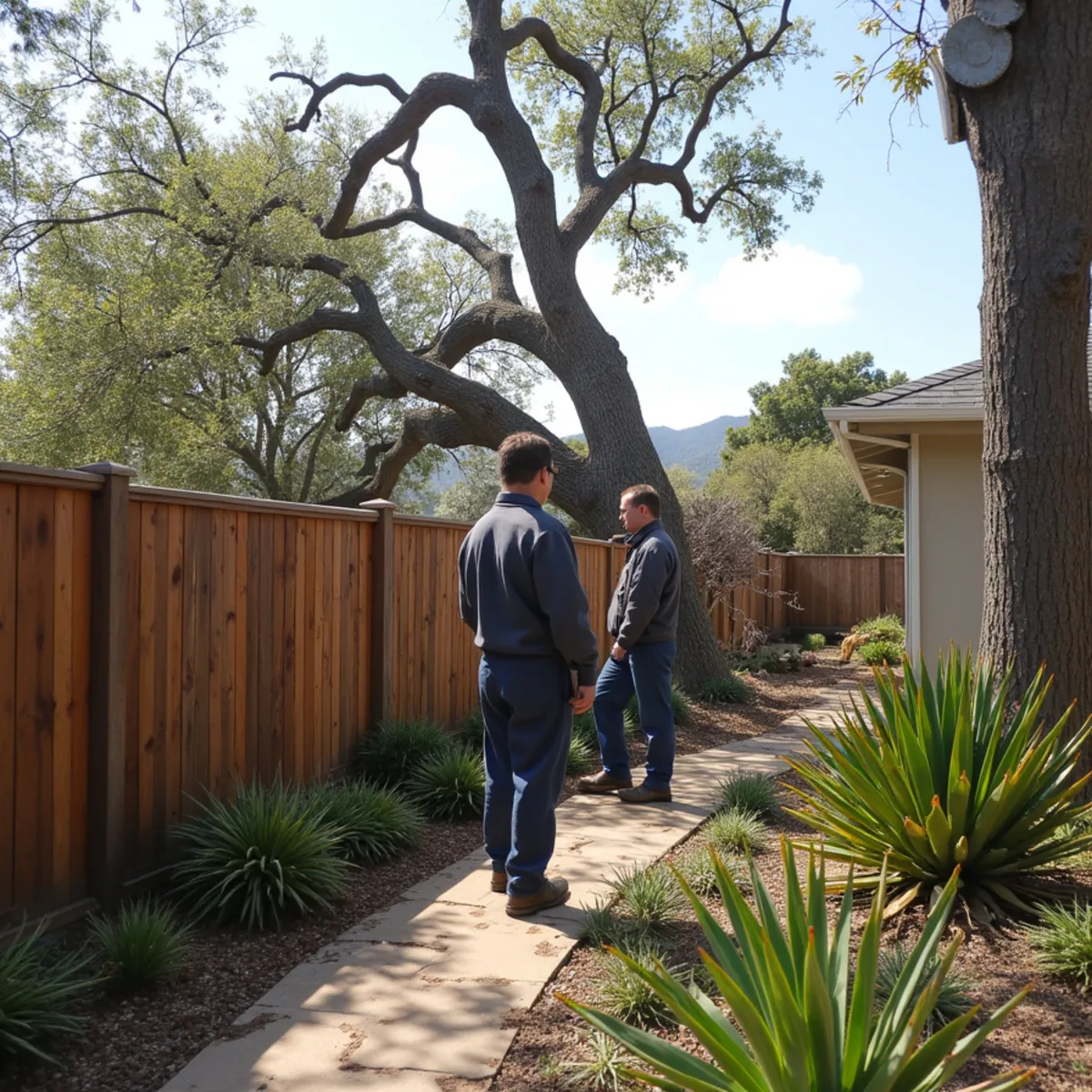
After a storm takes down a tree onto your fence, the first question is who pays for it. The answer, like most insurance answers, is that it depends, and the details matter a great deal. California homeowners policies do cover some storm-related landscaping damage, but the coverage is narrower and more conditional than most people assume, and misunderstanding it leads to denied claims and out-of-pocket surprises.
This is general information, not legal or insurance advice, and your policy is the final word. Read it, and call your agent with specifics. That said, here is the framework that applies to most standard homeowners policies in California so you know what questions to ask.
The Core Distinction: Did It Hit Something?
The single most important concept is that homeowners insurance is primarily structure coverage, not landscape coverage. A tree that falls and damages a covered structure, your house, your fence, a shed, is a very different claim from a tree that falls and hits nothing but the ground. In general, if a storm-felled tree damages a covered structure, the policy typically covers the damage to the structure and often the cost of removing the tree off it. If the tree falls and hits nothing, many policies will not pay to remove it at all, or will pay only a small capped amount.
What Is Usually Covered
Standard policies commonly respond to storm damage in these situations. Your limits and deductible still apply, so a small claim may fall below your deductible entirely.
- A tree or limb that falls on your house, garage, or other covered structure.
- A storm-downed tree that lands on and damages a fence, often treated as a structure.
- Removal of a fallen tree when it is blocking a driveway or a handicap access ramp, up to policy limits.
- Damage to structures from wind-driven debris during a covered storm event.
Fences are a useful example because they sit at the boundary of structure and landscape. Many policies treat a fence as a detached structure, which means storm damage to it may be covered, though often at a lower limit than the main dwelling. If your fence went down, that is worth a call to your insurer before you assume it is on you. Either way, replacing it correctly matters, and our fence installation work rebuilds to stand up to the wind that took the last one down.
What Is Usually Not Covered
This is where expectations and reality tend to diverge. Standard policies generally exclude the landscaping itself and a whole category of water-related damage.
- The trees, shrubs, and plants themselves, beyond a small capped percentage of the dwelling limit.
- A tree that falls and damages nothing but your yard or garden.
- Flood damage, which requires separate flood insurance, not a homeowners policy.
- Damage attributed to lack of maintenance rather than the storm itself.
- Gradual damage such as erosion or a slope failure, which insurers often treat as an excluded earth-movement event.
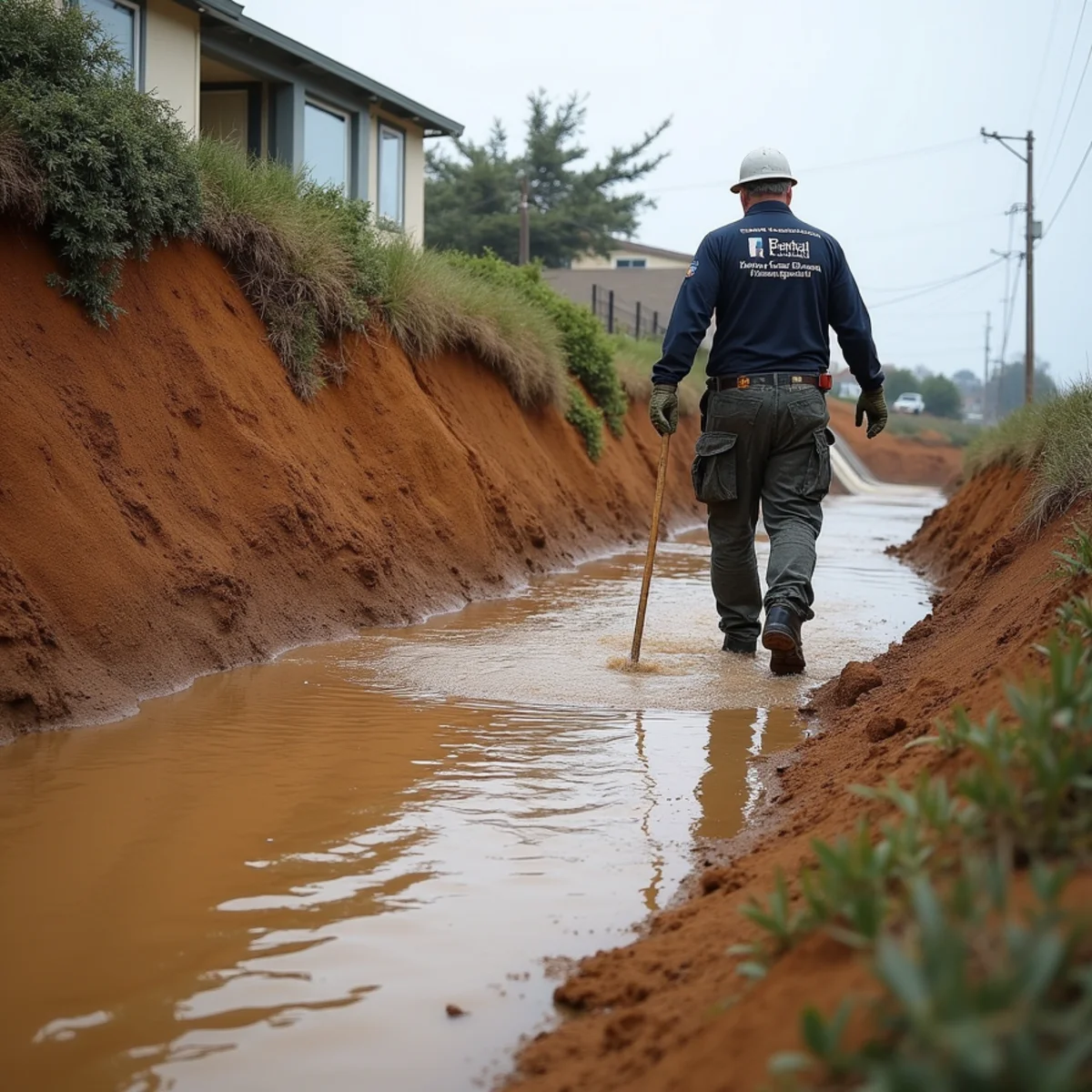
That last point catches a lot of Central Coast homeowners. Flood and earth movement, including many slope and mudflow events, are common exclusions, which is why the cost of preventing them so often lands on the owner. Our post on emergency steps for a saturated slope covers how to get ahead of that before it becomes a claim you cannot file.
How to Document a Claim the Right Way
If you think you have a claim, documentation is everything. Insurers pay on evidence, not descriptions. Before you clean up anything beyond what safety requires, build your record.
- Photograph and video everything from multiple angles before moving debris.
- Note the date and the storm event, which ties the damage to a covered cause.
- Do temporary repairs to prevent further damage, and keep those receipts.
- Get an itemized estimate for the repair or removal work.
- Call your agent promptly, since policies have time limits for reporting.
Homeowners in our Morro Bay service area deal with wind and salt-driven storm damage regularly, and the ones who document first and clean up second consistently do better with their insurers. We provide itemized estimates for storm work precisely so they hold up in a claim, which is part of our storm cleanup and debris removal service.
Whether your storm damage is covered or not, the cleanup and repair still have to happen, and doing them in the right order protects both your property and your claim. Call Kestrel Landscapes at (323) 606-0255 for a free assessment, and we will document the damage, provide an itemized estimate you can hand your insurer, and get your yard back in order.
Frequently asked questions
Usually only if the tree damaged a covered structure or is blocking a driveway or access ramp, and then up to a policy limit. A tree that falls and hits nothing is often not covered for removal at all. Check your specific policy limits.
Often yes, because many policies treat a fence as a detached structure, though usually at a lower limit than the house and subject to your deductible. Call your insurer before assuming the cost is entirely yours.
Generally no. Earth movement, including many slope failures and mudflows, and flood damage are common exclusions on standard homeowners policies. This is why preventing slope and drainage problems usually falls to the homeowner rather than an insurer.
Want this handled for your property?
Get a free on-site assessment from a Los Osos design-build crew. Based in Los Osos — most SLO County assessments scheduled within 48 hours.