Local Angles • 8 min read
Los Osos Lifted Its 35-Year Building Moratorium: a New-Yard Landscaping Guide
With the sewer online and the moratorium gone, new building is possible in Los Osos again. Here is how to plan the yard the right way.
By Kestrel Landscapes · Published January 13, 2026
For most of a generation, you could not build a new home on many Los Osos lots. The building moratorium that stood for roughly 35 years was tied to the town's groundwater and wastewater problems, and it froze a lot of vacant parcels in place. In December 2024 that changed — the moratorium was lifted, and with the community sewer now operating, new construction and major additions are back on the table. Details and permitting steps are still settling, so verify current county requirements before you count on anything.
That reopening is exciting, and it comes with responsibilities that are specific to Los Osos. If you are building new or finally landscaping a long-dormant lot, the yard deserves the same planning as the house. A thoughtful landscape design and installation plan here has to account for sandy soil, groundwater, coastal habitat, and water rules all at once. This is our home base — Kestrel Landscapes is based right here in Los Osos — so we deal with these constraints on nearly every project.
Start with the groundwater, not the plants
The whole reason for the moratorium was groundwater: overdraft and nitrate loading in the aquifer that the town drinks from. The sewer addresses wastewater, but landscaping still plays a role in aquifer health. That points to two priorities. First, minimize irrigation demand so a new yard does not lean on the same stressed groundwater the town just fought to protect. Second, avoid heavy fertilizer regimes and turf that leach nitrates. A drought-tolerant, low-input design is not just fashionable here — it is aligned with why the moratorium existed in the first place.
The Habitat Conservation Plan and the snail
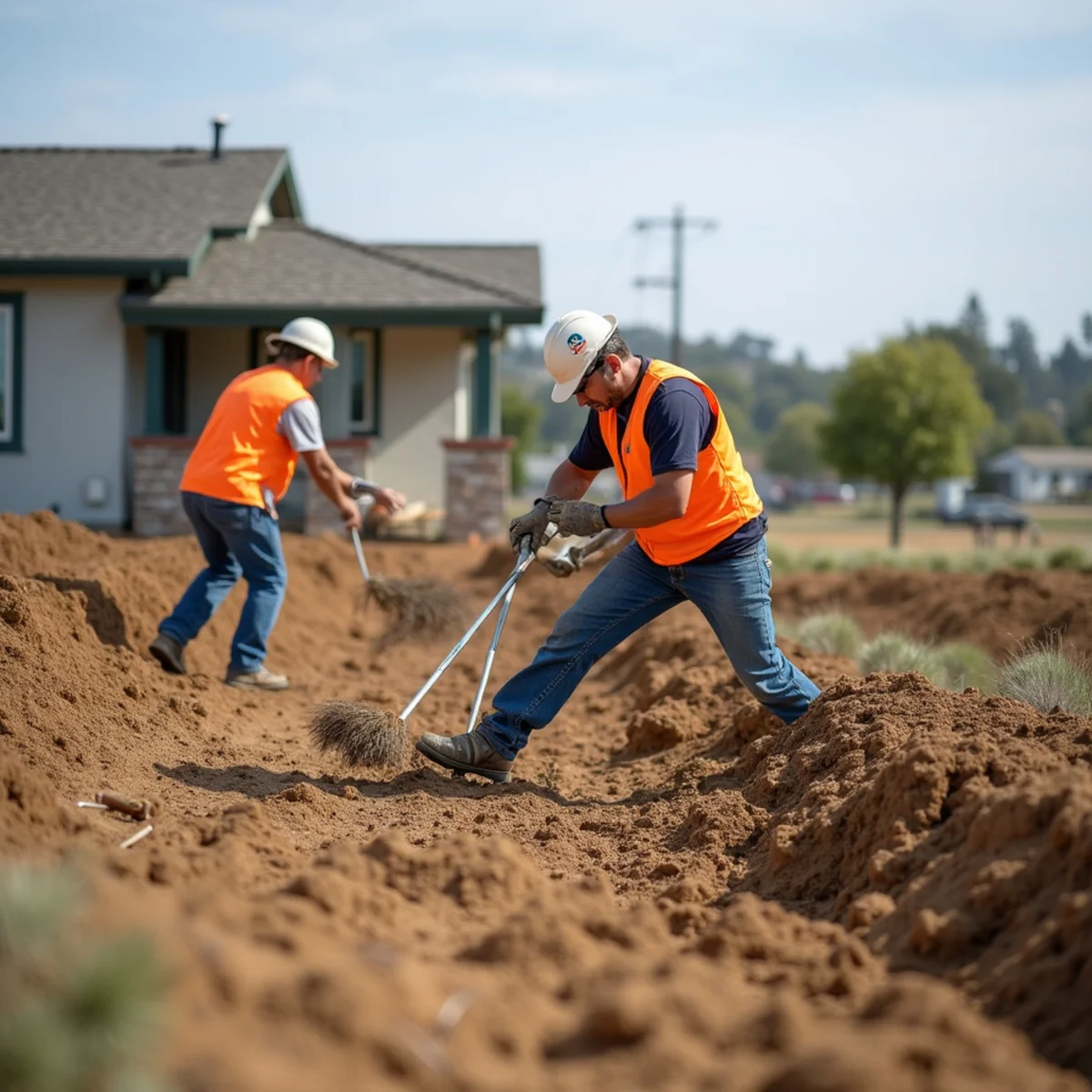
This is the piece newcomers rarely see coming. The Morro shoulderband snail is a federally protected species, and Los Osos operates under a Habitat Conservation Plan meant to protect it. Ground-disturbing work — grading, trenching for irrigation, footings for hardscape — can trigger review or require specific handling, particularly on lots near native dune scrub. We plan around this by keeping disturbance tight, staging work to allow for any required surveys, and favoring designs that work with the existing grade instead of reshaping the whole lot. Building the review time into the schedule up front saves a lot of frustration later.
Designing for sand
Los Osos soil is sandy and fast-draining. That is good news for avoiding waterlogged roots and bad news for holding moisture and nutrients. The design response is straightforward once you know it:
- Choose plants adapted to sandy, coastal soils — many California natives thrive in exactly these conditions.
- Use drip irrigation so water goes to roots and does not simply drain past them, and so you can water deeply and infrequently.
- Add organic matter and mulch to beds to slow moisture loss, but keep mulch back from the house for fire safety.
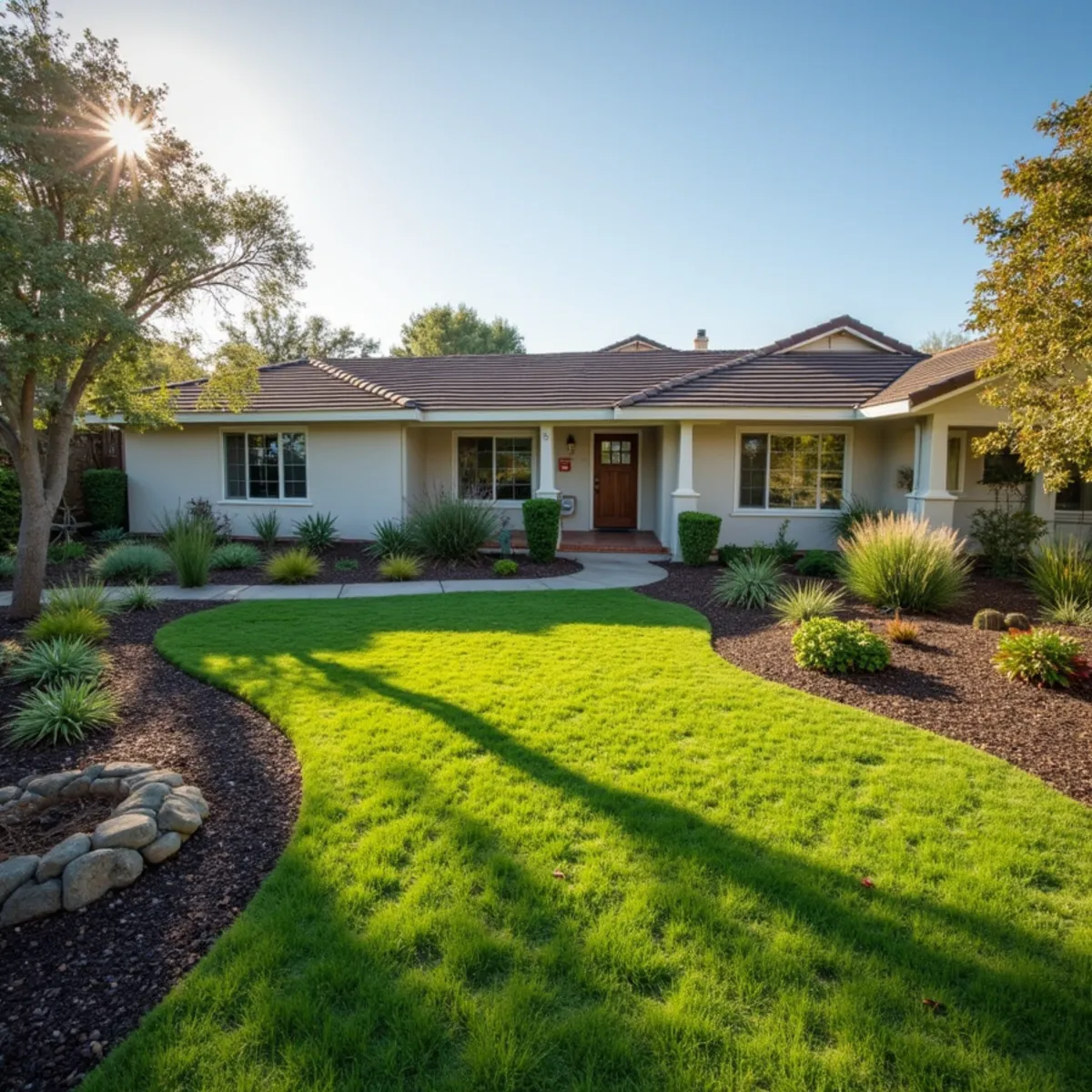
- Avoid thirsty lawns; if you want a green play area, a small synthetic or native-grass patch fits the sandy site better.
A plant palette that belongs here
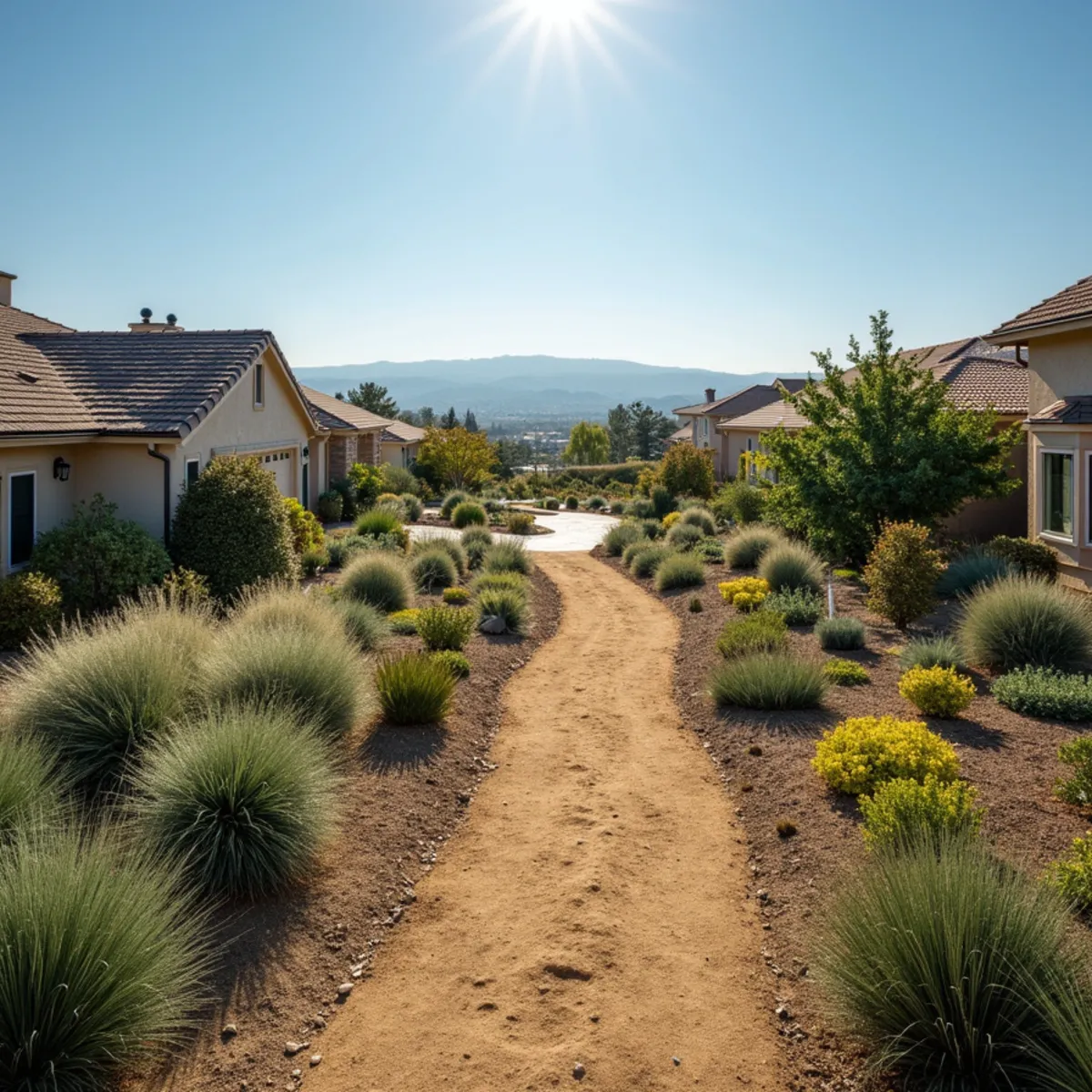
The Los Osos fog belt supports a beautiful native palette — manzanita, ceanothus, coast live oak, coffeeberry, sages, and buckwheat all do well and support the same habitat the HCP protects. Planting natives is one of the few landscaping choices that is simultaneously low-water, low-maintenance, fire-aware, and good for the snail's ecosystem. If you are weighing coastal versus inland plant choices, our comparison of fog-belt versus inland plant palettes breaks down what thrives on each side of the grade.
Sequence the yard with the build
The best time to plan landscaping is while the house is still on paper. Grading, drainage, irrigation sleeving under driveways, and utility runs are far cheaper to coordinate before the concrete is poured. We like to be in the conversation early so the yard is not an afterthought squeezed into whatever grade the builder left behind. On a new build especially, getting drainage right the first time prevents the saturated-soil problems that plague retrofits.
- Confirm HCP status and any county requirements for your specific lot before design.
- Set finished grades and drainage while the house is being designed, not after.
- Sleeve irrigation and lighting under any hardscape before it is installed.
- Choose a native, drought-tolerant palette suited to sandy coastal soil.
- Install with minimal ground disturbance and mulch to protect the new plantings.
If you are among the Los Osos owners finally able to build or landscape a long-held lot, we would love to help you do it in a way that respects the town's water and habitat while giving you a yard that lasts. Call Kestrel Landscapes at (323) 606-0255 for a free assessment, and we will help you plan the whole site from grade to plants.
Frequently asked questions
It reopened building that was frozen for decades, but normal county permitting, coastal rules, and the Habitat Conservation Plan still apply. Verify the current requirements for your specific parcel before you plan.
It is a protected species covered by the Los Osos Habitat Conservation Plan. Ground-disturbing work can trigger review or conditions, especially near native habitat, so it is best to confirm your lot's status early.
The town's groundwater has faced overdraft and nitrate concerns. Thirsty lawns and heavy fertilizing work against aquifer health, while native, drought-tolerant plantings need far less water and input.
Want this handled for your property?
Get a free on-site assessment from a Los Osos design-build crew. Based in Los Osos — most SLO County assessments scheduled within 48 hours.