Local Angles • 8 min read
Wine-Country Estate Landscaping in Paso Robles & Edna Valley: a Design Guide
Estate landscaping in wine country is about matching the setting — heat, wind, and vineyard views — without a water bill that runs like a farm.
By Kestrel Landscapes · Published June 23, 2026
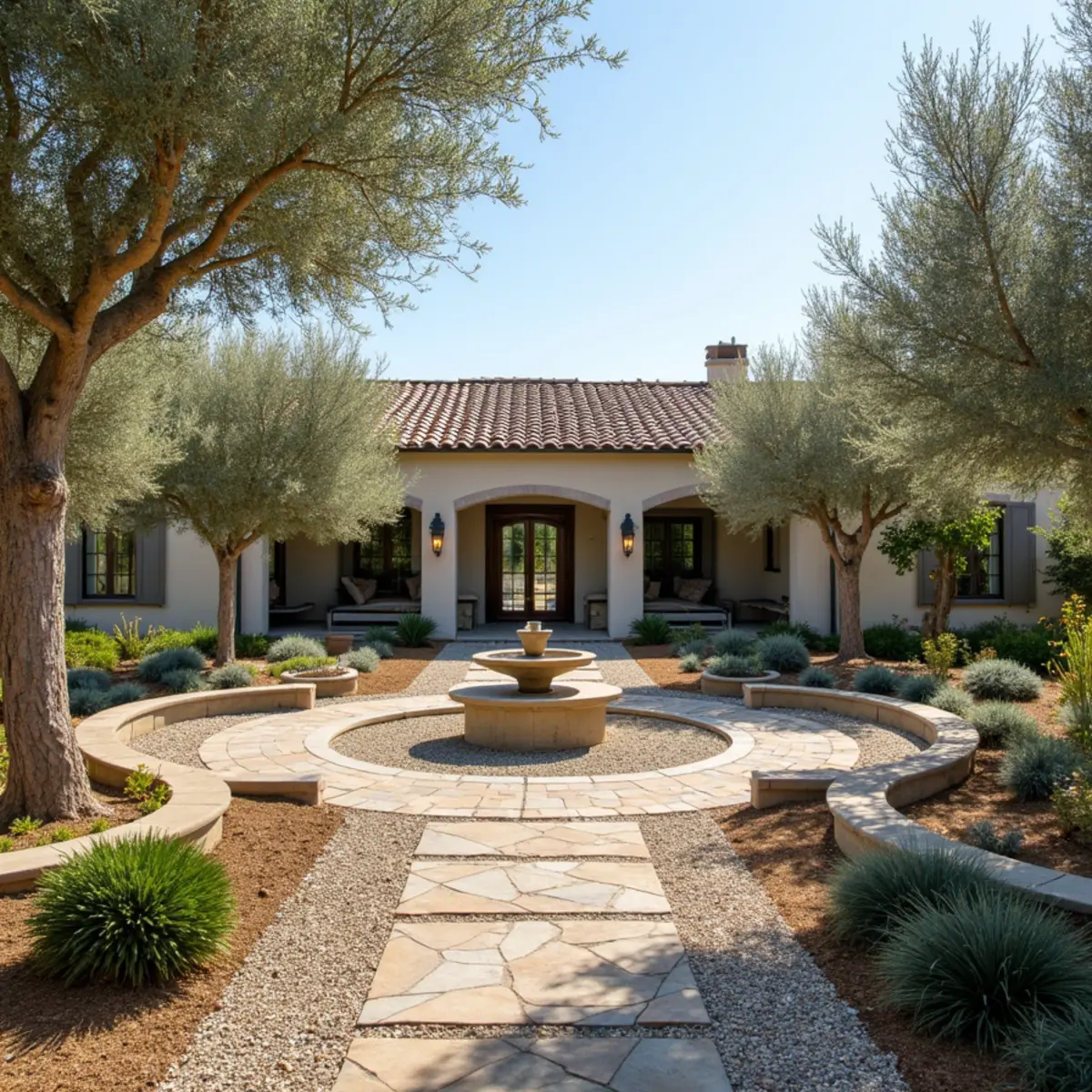
Wine-country estates ask a lot of a landscape. The setting is dramatic — rolling vineyard rows, oak-studded hills, big skies — and the house is usually built to take advantage of it. But the climate is unforgiving. Paso Robles bakes in summer and drops cold at night, the wind moves across open ground, and water is a serious consideration in a region where every gallon is spoken for. The landscapes that work here look effortless and are anything but; they are designed around the land, not imposed on it.
This is our favorite kind of project, and one where thoughtful landscape design and installation pays off for decades. Whether you are in the warm inland hills or the cooler, fog-touched benches of Edna Valley, the same principles apply, tuned to your microclimate.
Design to the setting, not against it
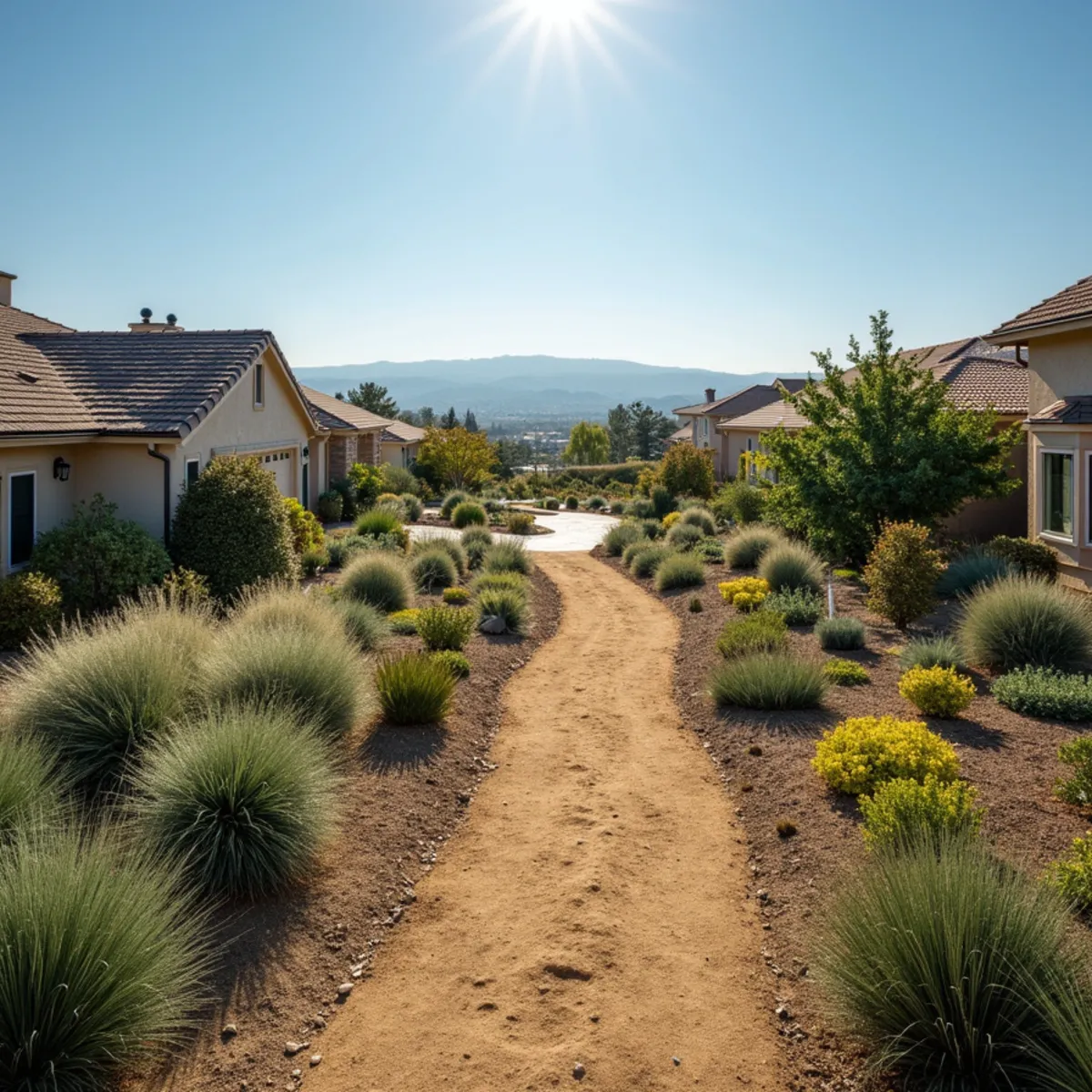
The mistake that sinks estate landscapes is importing a look from a wetter, milder place — emerald lawns, thirsty hedges, plants that sulk in heat and wind. It costs a fortune in water and never quite thrives. The better approach borrows from the Mediterranean regions our climate resembles: olive trees, lavender, rosemary, ornamental grasses, gravel courtyards, and stone. These materials belong here, handle the heat and wind, and frame vineyard views instead of fighting them.
- Olive trees and oaks for structure and shade that suit the climate and echo the working landscape.
- Lavender, rosemary, salvia, and santolina for drought-tolerant color and fragrance.
- Ornamental and native grasses that move with the wind and read as part of the hills.
- Gravel, decomposed granite, and stone for courtyards and paths that stay cool and need no water.
- Vineyard-style rows or hedgerows to connect the garden visually to the surrounding land.
Water is the whole game inland
Paso Robles and the surrounding wine country sit over a groundwater basin under real pressure, and estate properties often run on wells. A landscape that drinks like a farm is a liability. The design answer is to zone water use ruthlessly: a small, lush oasis near the house where you actually spend time, and drought-adapted planting everywhere else. Drip irrigation, deep infrequent watering, heavy mulch, and hydrozoning — grouping plants by water need — keep a large property green where it counts without draining the well.
Outdoor living for the way estates are used
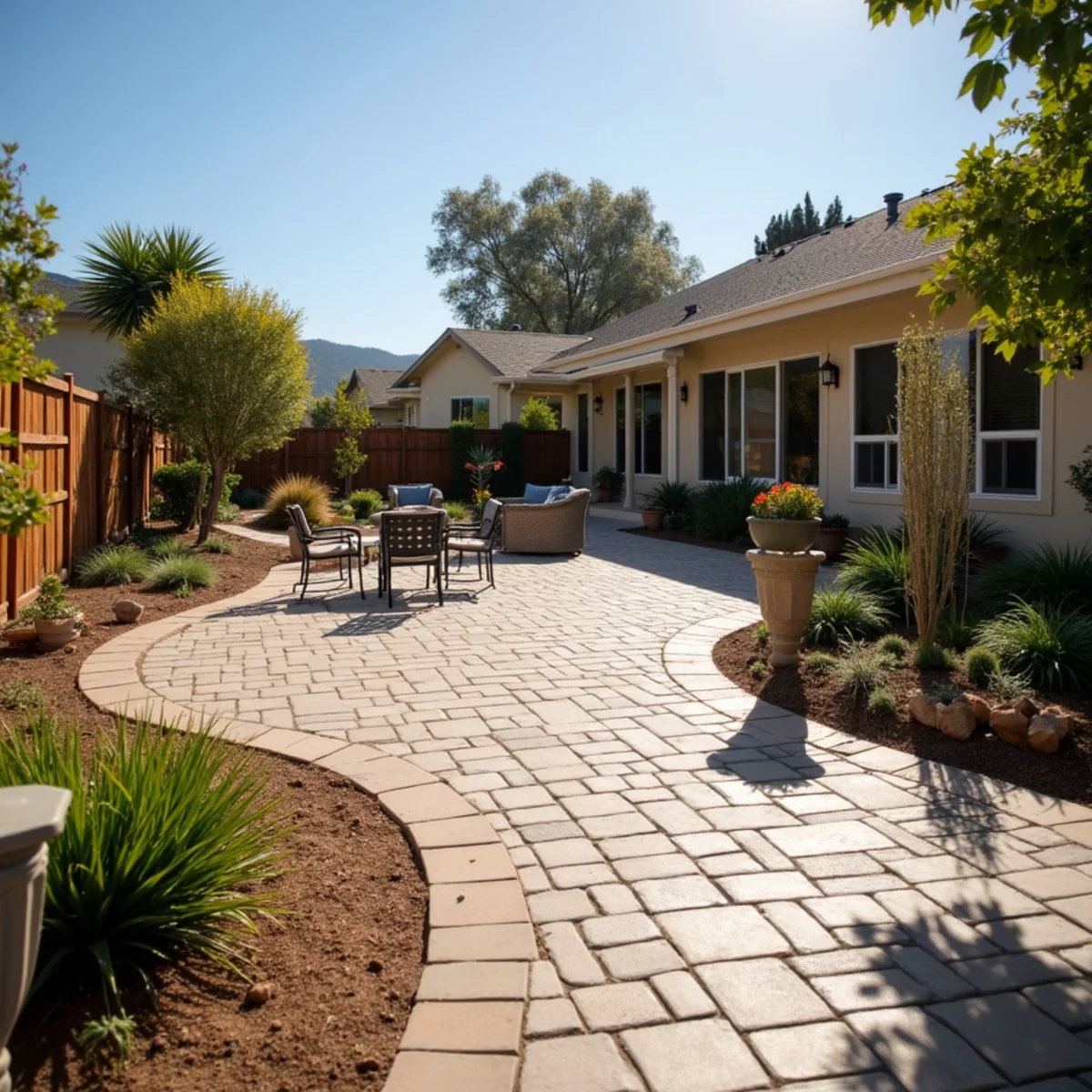
Wine-country homes are built for entertaining and for taking in the view, so the landscape has to deliver real outdoor rooms. The best estate work centers on well-placed outdoor living spaces: a shaded terrace positioned for the sunset over the vineyards, an outdoor kitchen for long dinners, a fire feature for the cool nights that follow hot days. The wind and the temperature swings drive the design — pergolas and shade structures for the afternoon heat, wind-sheltered pockets for evening, and paving that does not scorch bare feet.
Placement is everything at this scale. We study how the sun tracks across the property, where the afternoon wind comes from, and which views are worth building a terrace around. A patio in the wrong spot is beautiful and unused; a patio in the right spot becomes the room the family lives in half the year.
Fire-aware from the start
Estates in the inland hills sit in fire country, and the landscape has to respect that. Defensible space, non-combustible zones near the house, and spacing between plant groups are designed in from the beginning rather than retrofitted later. Done well, fire-smart design and wine-country aesthetics agree completely — gravel courtyards, spaced olive trees, and low, hydrated plantings near the house are both handsome and safe. Verify the current defensible space requirements for your parcel, as fire rules continue to evolve.
Building at estate scale
A large property is a sequencing problem as much as a design one. Grading, drainage, irrigation mainlines, lighting, and hardscape all have to be coordinated so the pieces do not fight each other, and so a big installation does not tear up work already done. We phase estate projects deliberately — infrastructure first, then hardscape and structures, then planting and irrigation, then lighting and finishing. If you are also weighing plant choices between the warm hills and the cooler valley, our comparison of fog-belt versus inland plant palettes is a useful companion.
If you own an estate in Paso Robles, Edna Valley, or the surrounding wine country and want a landscape that fits the setting and respects the water, we would love to design it with you. Call Kestrel Landscapes at (323) 606-0255 for a free assessment, and we will walk the property, study the views and the wind, and lay out a plan built for the long term.
Frequently asked questions
Yes, if you zone it. Concentrate the water-dependent, lush plantings near the house where you spend time, and keep the wider property drought-adapted. That gives you the oasis feel without a farm-sized water bill.
Mediterranean and native species do best: olive trees, oaks, lavender, rosemary, salvia, and ornamental grasses. They handle the heat, cold nights, and wind while framing the vineyard setting.
Defensible space and non-combustible zones near the house are designed in from the start. Gravel courtyards, spaced trees, and low hydrated plantings serve both the look and the fire safety. Verify current local rules for your property.
Want this handled for your property?
Get a free on-site assessment from a Los Osos design-build crew. Based in Los Osos — most SLO County assessments scheduled within 48 hours.